Why Does My Loved One in Hospice Sleep So Much?
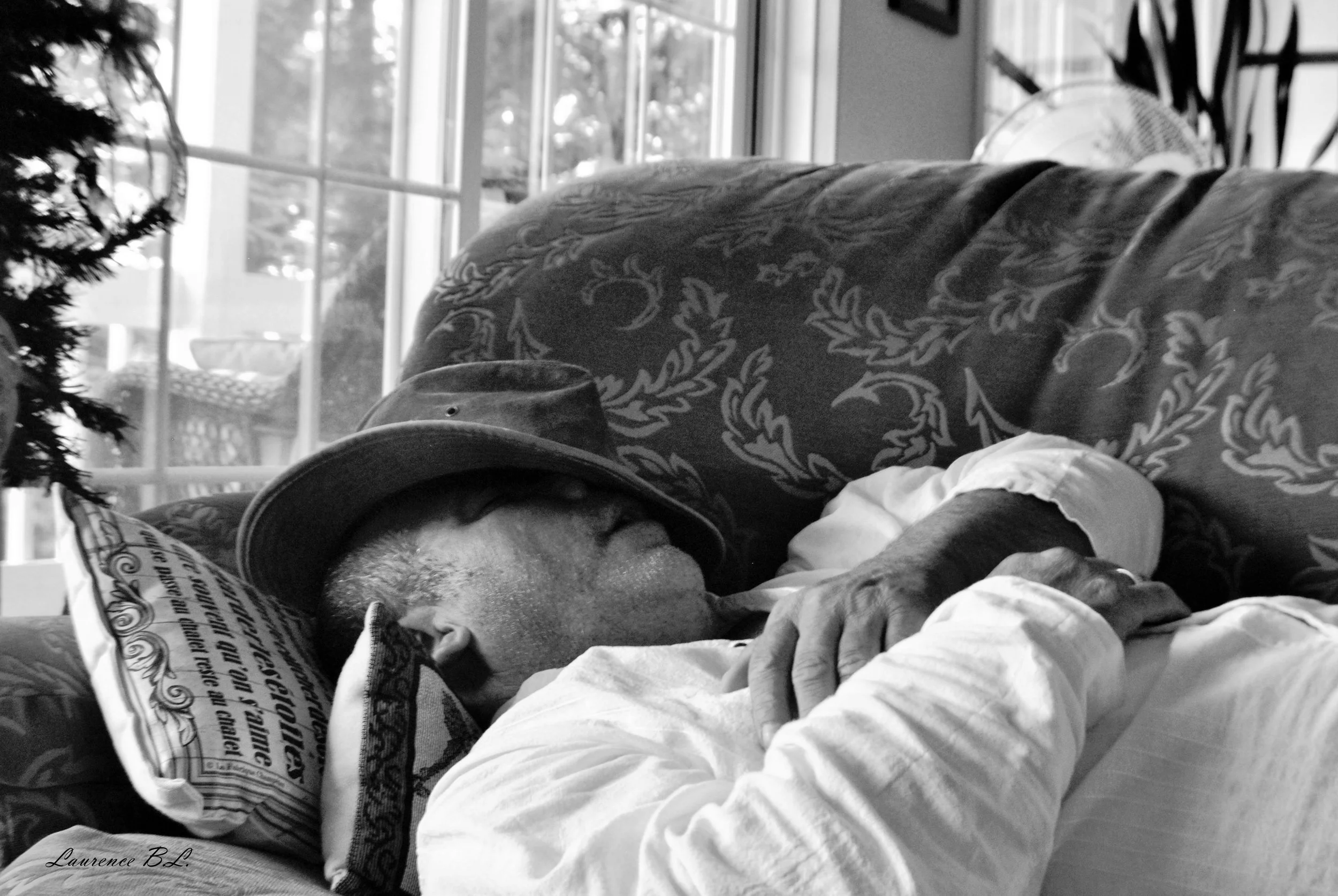
Sleep changes are one of the clearest signs that the body is slowing down. Many hospice patients sleep sixteen hours a day or more as the weeks and months go on. Some sleep nearly all day and night, waking only for a sip of water or a few words. This is common. It does not mean something has gone wrong.
Why Do Hospice Patients Sleep So Much?
The body needs less waking time once it stops trying to grow or fight off illness. As the body slows, it puts what strength it has into the basic work of staying alive: the heart beating, the lungs breathing, the organs still doing their job. There is less left over for being awake.
Illness plays a part too. A weak heart, tired kidneys, or a worn out brain all make sleep the body's normal state. Pain medicine can add to this, most of all in the first days after a dose change. So can plain tiredness built up over months of a hard illness.
Is More Sleep a Sign the End Is Near?
Yes, in most cases. More sleep is often one of the clearest signs that a hospice patient is moving closer to death. It tends to grow slowly at first, then faster in the final weeks. A patient who slept eight hours a day last month and sleeps fourteen hours today has likely moved further along than before.
This does not mean every long nap is a bad sign. Patients have good days and hard days, and a day of heavy sleep can be followed by a day with more time awake. Watch the pattern over weeks, not just one day.
Should I Wake My Loved One Up?
In most cases, no. Sleep is doing real work for a body that is dying. Waking someone to eat, talk, or take part in a visit can use up strength they need for rest. If your loved one wakes on their own, that is the best time for a meal, a talk, or a visit with family.
There are times a nurse may ask you to wake a patient, often to give a dose of medicine at a set time. Outside of that, let sleep happen. You are not failing your loved one by letting them rest.
What Does It Mean When They Sleep but Don't Seem to Wake Up Fully?
Near the end of life, many patients move into a kind of sleep that is not quite the same as normal rest. Their eyes stay closed, their breathing may change, and they may not open their eyes or answer, even when you touch their hand or speak to them. Hospice staff sometimes say a patient has grown less responsive.
Hearing is often the last sense to fade. Many hospice nurses believe patients can still hear, even in this state. Talking to your loved one, playing music they love, or simply sitting close and holding their hand still matters, even with no answer back.
Does All This Sleep Cause Pain?
Sleep on its own is not painful. If your loved one seems restless, tight, or in some kind of distress while asleep, tell the hospice team, since it could point to pain, a full bladder, or some other problem that needs care. But long hours of rest, even a lot of it, are not something to fear on your loved one's behalf.
How Much Sleep Is Too Much?
There is no set number that marks a problem. What matters more is the pattern and how your loved one seems on the days they are awake. If waking time gets rare, if a patient sleeps through meals and visits for days in a row, or if you see a sharp shift from one week to the next, call the hospice team. They can help you know where your loved one stands and what may come next.
What Can I Do While My Loved One Sleeps?
Many families find this part of caregiving strange and hard to plan for. There may be little for you to do while your loved one rests, and that can feel like a loss after weeks or months of hands on care. Some caregivers use this time to rest too, since your sleep and theirs often go hand in hand. Others sit close, read, or just stay in the room.
If you have things you want to say, this is a good time to say them. Even a sleeping loved one may hear you. Say what you need to say. Hold their hand. Play the songs they love. None of this asks them to be awake.
When Should I Call Hospice About Sleep Changes?
Call your hospice team if sleep changes come on fast, if your loved one seems to be in pain while at rest, or if you are simply not sure what a new pattern means. Hospice nurses expect these calls and would rather hear from you than have you sit alone with worry. You know your loved one best, and if something feels off, trust that and reach out.
Your nurse and aide have heard this question many times and are glad to answer it again. The Coastal support group is also a good place to talk with others going through the same thing.
Sleeping this much is hard to watch. It can feel like your loved one is already slipping away, even while they are still here. That feeling is real, and it does not mean you are wrong to feel it. The extra sleep is the body doing the work it still has left, one quiet hour at a time.