What Happens in the Last Week of Life?
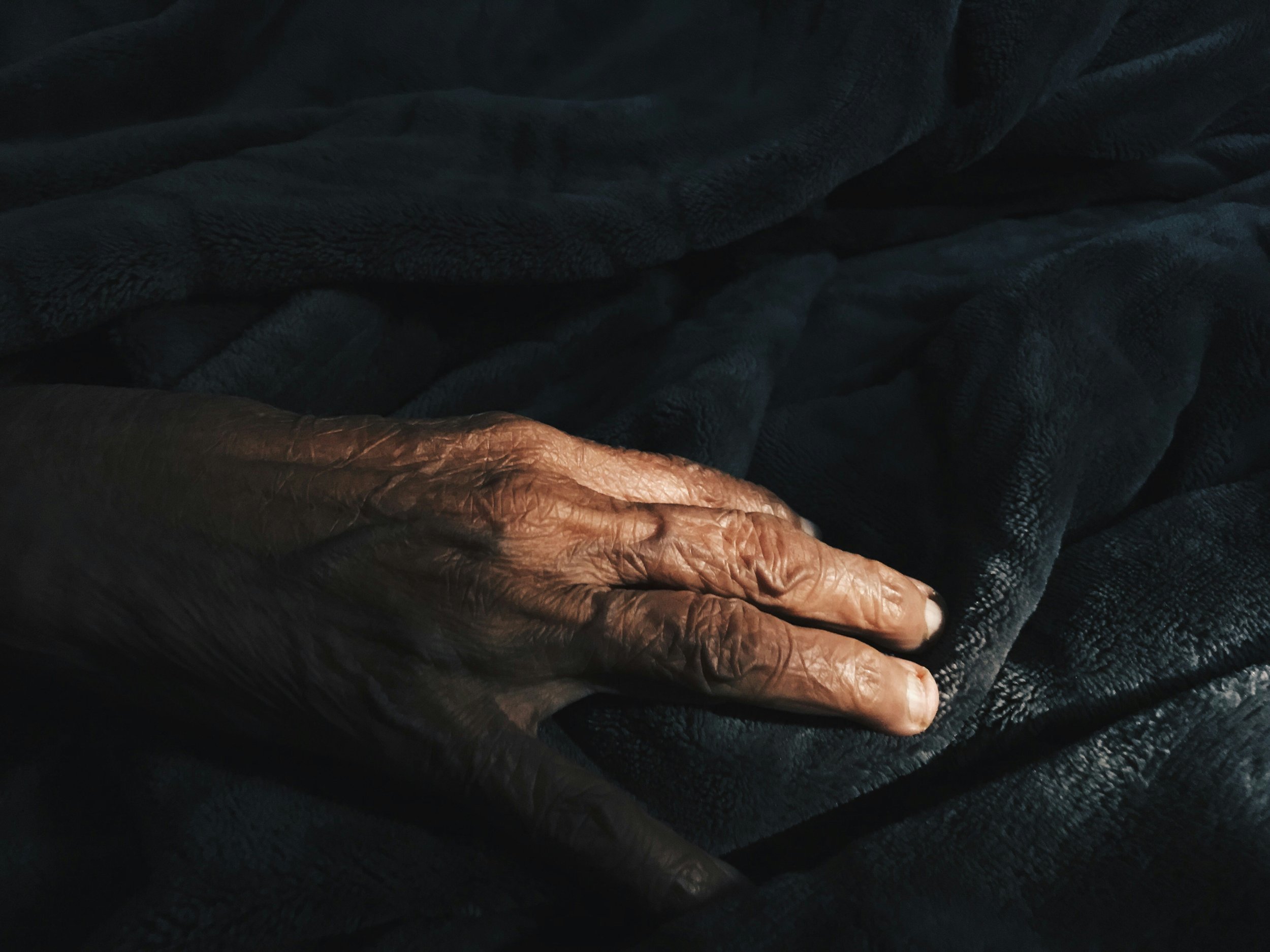
The last week of life often brings clear signs that the body is shutting down. Breathing changes. Skin color changes. Hands and feet turn cold. Food and drink slow to almost nothing. Sleep takes up most of the day. Not all signs show up in each case, and the order can shift from person to person, but most families see several of these signs in the final days.
Many families have wondered before this if the end was near, only to watch their loved one hold steady for a week or two more. This time can feel new. Instead of one sign on one day, you start to see several changes stack on top of each other and stay that way: less waking, less food, cooler hands, slower breathing. The shift is not a single moment… it’s more of a pattern that holds steady instead of coming and going.
Hospice nurses are trained to read this pattern, so if you sense a change but are not sure, it is worth asking them to check in and confirm what they are seeing too.
What Happens to Breathing in the Last Week?
Breathing often changes as death gets closer. Breaths may slow down, then speed up again. There can be long pauses between breaths, sometimes ten seconds or more. Breathing may sound wet or noisy, like a soft rattle in the chest or throat. This sound comes from fluid that has built up because the body can no longer clear it the way it once did. It often sounds worse to family in the room than it feels to the person breathing.
Why Does the Skin Change Color?
As blood flow slows, skin can turn pale, gray, or take on a blue or purple tint, most often in the lips, hands, and feet. Knees and elbows may show blotchy patches of color. This is a normal part of the body slowing down, not a sign of pain.
Why Does My Loved One Stop Eating and Drinking?
Near the end of life, the body needs less food and water, not more. Hunger and thirst often fade on their own. Forcing food or drink at this point can cause choking or trouble rather than help. A few chips of ice or a wet swab on the lips can ease dry mouth without asking the body to do work it no longer wants to do.
This is one of the hardest parts for families to watch, since food has always meant care and love. Not eating at this stage does not mean your loved one is giving up. It means the body no longer needs what it once did.
Why Do the Hands and Feet Feel Cold?
As the heart slows and blood moves less to the arms and legs, hands and feet often turn cool or cold to the touch, even under blankets. This is common and does not mean your loved one is cold in the way they might have felt cold before. Warm socks or a light blanket can help if it seems to bother them, but there is no need to force extra warmth.
What Is a Rally, and Will It Happen?
Some patients have a short burst of clear thought, energy, or appetite near the end, often called a rally. They may sit up, speak clearly, ask for food, or want to see people they have not asked for in days. This can last an hour or a full day, and it does not mean your loved one is getting better. It is often one of the last clear windows before the body moves fully into its final stage.
Why Does My Loved One Get Restless or Confused?
Some patients become restless, confused, or pull at blankets and clothes in the final days. This can come from pain, a full bladder, lack of air, or shifts in brain function as organs slow down. Hospice staff can check for causes that can be helped. Calm voices, soft light, and a quiet room often help more than most other things.
What Sounds Like a Rattle in the Chest?
A wet, rattling sound in the throat or chest is common in the final hours or days. It comes from fluid the body can no longer clear with a cough or a swallow. It often sounds worse than it feels, and it does not appear to cause pain or trouble breathing for the person making the sound. Turning the head to one side, or shifting the body a little, can sometimes help.
How Will I Know Death Is Close?
There is no single sign that tells you death is only hours away, but a few signs at once often point to the final hours: breathing with long pauses, cool hands and feet, little or no response when spoken to or touched, and a change in skin color around the lips and nails. Some patients become very still and quiet in the last hours, while others stay restless until close to the end.
What Should I Do During This Time?
Stay close, keep your voice calm and soft, and touch your loved one gently if that feels right. Hearing often lasts longer than other senses, so it helps to speak as if they can hear you, even if there is no response. Say what you need to say. Play music they love. Hold their hand. Let go of the need to fix or fill each moment, and let the time be simple and quiet instead.
When Should I Call Hospice?
Call your hospice team if breathing shifts fast, if pain seems present, if your loved one seems distressed, or if you are not sure what a new sign means. You do not need to wait for a crisis to call. Hospice nurses expect these calls in the final days and would rather answer a question than have you sit alone and wonder.
This last week is hard to watch, even when you know it is coming. Trust what the hospice team tells you, stay close when you can, and know that presence matters more than words in these final days.