Out of habit, you pull out the old number of plates for Thanksgiving. You count the table, and the number is one too many, and then it all comes back. The kitchen smells like the old days, but the quiet where a voice used to be seems louder than all the pots and pans.
Holidays after a loved one passes - especially the first one of each - can be really challenging and emotional. This is normal, and it is good and healthy to let yourself feel whatever emotions arise in the moment.
Go easy on yourself this season. Do less than you used to, and make a small place for the one who is missing. There is no right way to do this day, and the way that gets you through it is the right one for you.
Why Does the First Thanksgiving Feel So Hard?
All of it is a first. The smells and the songs all point to what’s gone, and so does the seat at the table. Family traditions like Thanksgiving accumulate memories and traditions over the years, and when someone isn’t there to participate like they used to, things can feel a bit disjointed and out of place.
Grief comes in waves, and a day like this can raise the tide. If you’ve been dreading it, that makes sense. Dread is one way love shows up when someone is gone.
Do You Have to Keep the Old Ways?
No, and maybe it would even be easier to try a completely new version of the holiday this year just to give yourself some space.
Keep the one or two traditions that bring you comfort, and let the rest go for now. You can change the place or the hour, or try a new menu. A simple meal on paper plates is fine. Ask yourself which habits warm you and which ones sting, don’t push yourself past the emotional and physical limits that you have right now.
How Do You Handle the Empty Chair?
There’s no single answer. Some people leave the seat bare, and others set a place with a photo or fill it with a guest. Ask the people close to you what they’d like, and name the chair out loud at the start of the meal: “We miss Dad today, and we’re glad to be here.” Saying it takes some of the weight off the silence.
Should You Say Their Name Out Loud?
Yes. Many people avoid the name for fear of causing pain, but most grieving people want to hear it. Invite each guest to share one story. The burned rolls and the bad joke can both find a place at the table. Laughter and joy belong at this table still.
And sharing favorite stories about a loved one who has passed has a way of uniting everyone left sitting at the table.
What Are Small Ways to Honor Them at the Table?
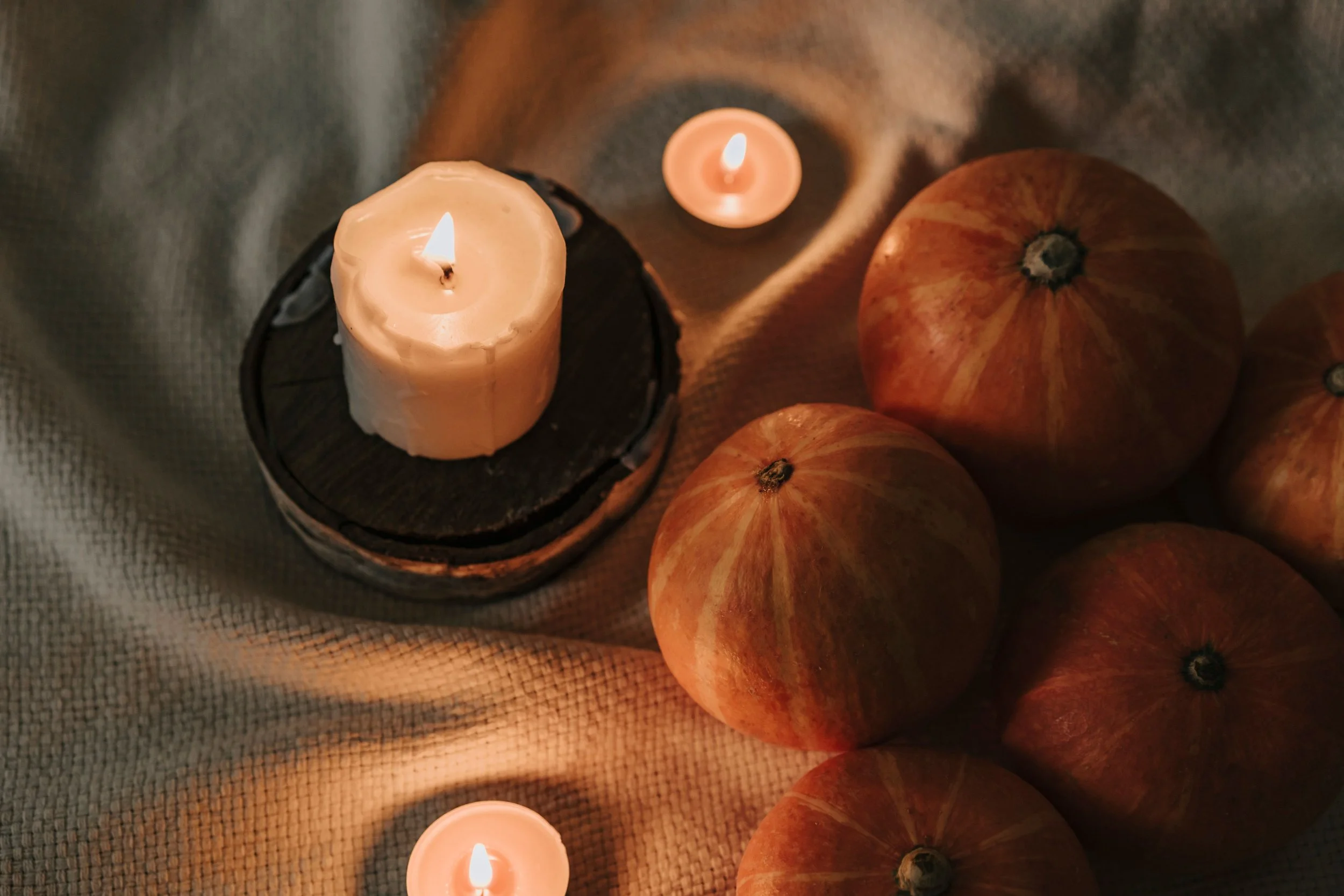
Make a dish they loved, or ask someone else to make it if it feels to soon for you to cook it. Play a song they sang along to. Light a candle near their photo. You can also set out a jar and a stack of cards, and ask each guest to write a note to the one who’s gone. Read a few aloud, or save them for later.
What If You Cry at the Table?
Then you cry. Tears and laughter can sit side by side on a day like this, and the people who love you can handle both. Pick a spot where you can step away for a minute, such as a bedroom or the porch, and tell a trusted person ahead of time so they can cover for you.
Should You Spend the Day Alone or With Others?
Either one can be right. Some people need a crowd, and some need quiet. If you say yes to a dinner, you can say yes with a time limit, and drive yourself so you can leave when you need to. If you’d rather be alone, take a long walk or call a friend. You don’t owe anyone a show.
What If Other Loved Ones Grieve in Their Own Ways?
One person may want to talk, and someone else may go silent. One may want the old menu, and someone else may want a new one. Neither way is wrong. Give each person room, and pick one moment you can all share, like a toast or a song. Kindness goes a long way when all are hurting.
How Do You Help Children on the Day?
Use plain, honest words, and let them ask questions. Kids often say the thing no one else dares to. Invite them to draw a picture or help set out the photo. Keep their routine as steady as you can, and let them see that sadness and laughter can sit in the same room. And by sharing favorite memories when the children are present, you keep your loved one’s legacy alive for the next generation.
What If You Don’t Want to Do Thanksgiving at All?
Then skip it. You can say, “I’m not up for a big dinner this year, but I’d love to see you next week.” A quiet day with a show you love, or a walk, can be a fine way to spend it. You can also keep the day small and plan the big meal later, when you feel ready.
How Can the Hospice Team Help?
Even after your loved one has died, you can ask the hospice team about grief support. The social worker or the spiritual care coordinator may be able to talk with you. Our volunteers are also available to help shop for supplies for the meals or even bring over a few dishes to take the meal prep pressure off of you. Ask before the day arrives, so help is within reach.
When Should You Reach Out for More Help?
If the weight doesn’t lift or you can’t sleep or eat for days, tell someone you trust and ask for help. If dark thoughts ever come, tell someone right away, and call or text 988 at any hour.
Whatever choices you make, just know that this time will pass, and things will get easier. There are no wrong answers with how you decide to handle any holiday, and it isn’t selfish for you to take whatever time you need for yourself to recover.