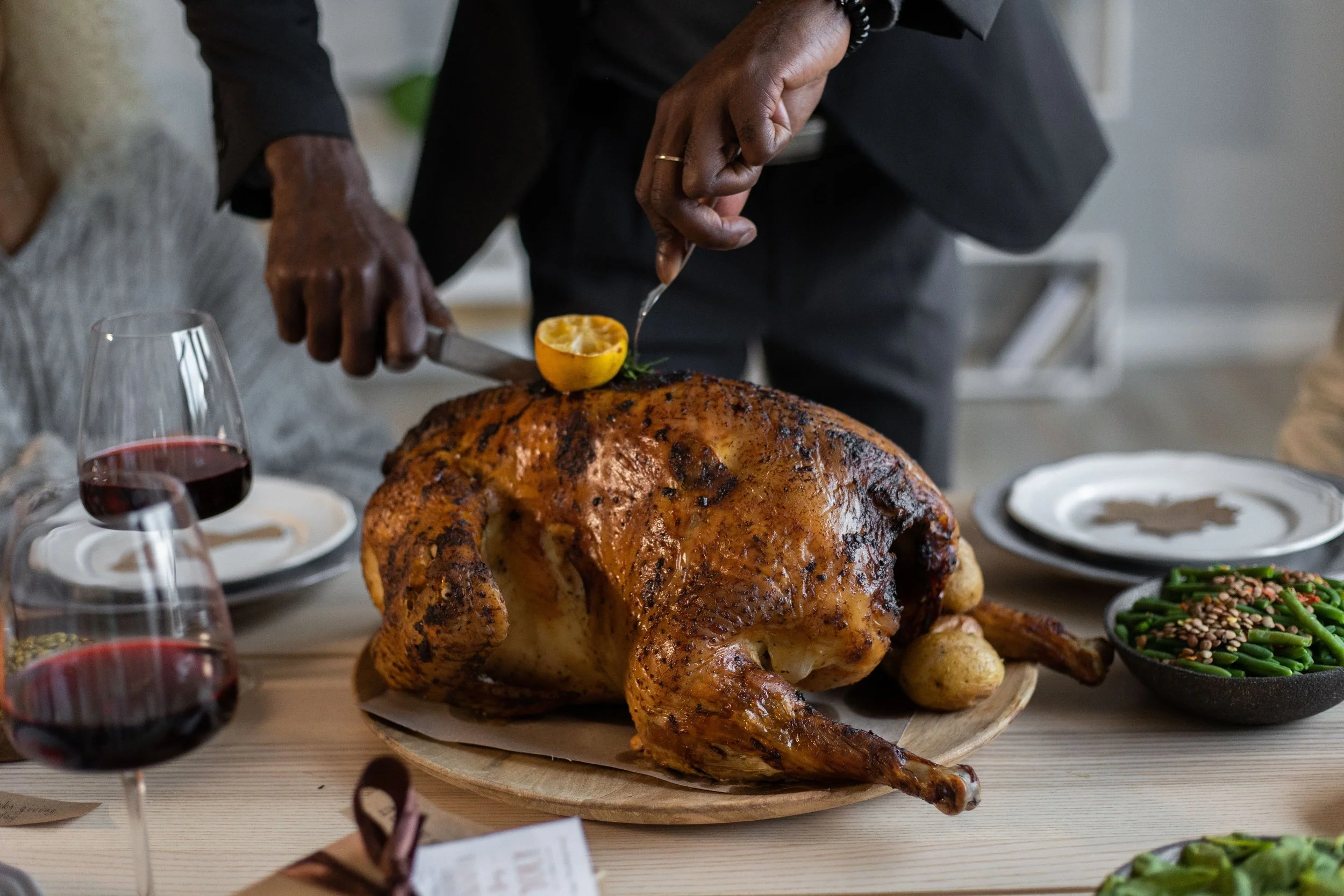
The house smells of onions and butter, and the table is set with the good plates. You’ve been thinking about what recipes to choose, taking into consideration what every guest would like or dislike. And then you wonder, “What would my loved one in hospice be able to eat?” In so many homes, food is how love gets said out loud.
But when your loved one’s appetite has changed so much, it can be hard to know what to serve them. Some days, they have an appetite, and other days, they don’t want much to eat at all. And many hospice patients struggle with swallowing or chewing, adding even more worries to plan around. Ask the nurse which foods and textures are safe, since each person has their own needs.
So the best plan is to give your loved one a seat at the table and a few small tastes of foods they love, in a form that is safe to swallow. Then you can serve them seconds of whatever is “hitting the spot” that night.
Why Does Hunger Fade Near the End of Life?
As illness moves on, the body slows down and needs less fuel. The gut works less well, and food that once tasted good may feel heavy or have no flavor at all. This is a normal part of the road and says nothing about how well you are caring for your loved one (or how well you can cook!). Pushing food does not bring strength back, and it can cause choking or an upset belly. Ask the nurse what to expect for your loved one.
Is It Okay If Your Loved One Eats Nothing?
Yes. The meal can be about the people at the table even when the plate stays bare. Tastes are for joy. If your loved one takes one bite or none, you are still celebrating Thanksgiving together. They will eat when they are hungry.
How Can You Give Your Loved One a Place at the Table?
If your loved one can sit up, bring them to the table for a short time with a pillow behind the back, and let them take their own spot. Set a plate and a napkin even if little goes on it. If your loved one cannot leave the bed, bring the table to them. Have guests come in a few at a time with small cups of food, and leave the door open so the smell of the kitchen can lift the mood.
What Are Easy Foods When It Is Hard to Swallow?
First ask the nurse which textures are safe, since some people need smooth foods or thickened drinks. You’ll find that many traditional Thanksgiving dishes are perfect for hospice patients. Mashed potatoes with plenty of butter or gravy go down well, and so does a smooth squash soup. Pumpkin pie filling baked as a custard, without the crust, is soft and sweet. Applesauce and yogurt are mild and smooth. A scoop of ice cream melts on the tongue, and a little warm gravy on a spoon carries the flavor of the whole meal. If the nurse says soft turkey is safe, chop it fine and moisten it well with gravy. Strain the cranberry sauce so no skins or bits are left.
What If It Is Not Safe to Swallow?
Some people can no longer swallow without risk. Ask the nurse about mouth swabs. They allow your loved one to taste the flavors they love, while not creating a chocking hazard. A small damp swab can carry a flavor your loved one loves to the lips and tongue, and it keeps the mouth moist too. The nurse can show you how to use one and tell you which flavors are safe.
Your Loved One’s Role at the Table
Give your loved one a role. They can say grace or tell the story of the first meal they cooked. Share a toast with a sip of what they like, if the nurse says a sip is safe. Set a photo of a past feast near them. Keep the meal short, and sit close enough to hold a hand.
What If Your Loved One Is Too Tired to Join?
Let rest come first. Plan the meal for the hour when your loved one is strongest, even if that is mid-morning. Bring a few guests at a time to the bedside, and let each one say a few words. The rest can eat in the next room with the door open, so the sound of the day reaches the bed.
You could also structure Thanksgiving more as a grazing meal, with dishes being served throughout the day. That way, you don’t have to time the meal perfectly with your loved one’s fluctuating energy levels.
What Do You Do With the Guilt?
Many people feel they are failing when the plate comes back nearly full. Food is love, and when your loved one can’t appreciate the dishes the way they used to, it can be a very emotional experience for everyone. Just remember, Thanksgiving is about so much more than food. The stories, the holding of hands, the smiles across the room - all of them are worth so much more than the meal.