Managing Pain When Cold Weather Makes Everything Hurt Worse
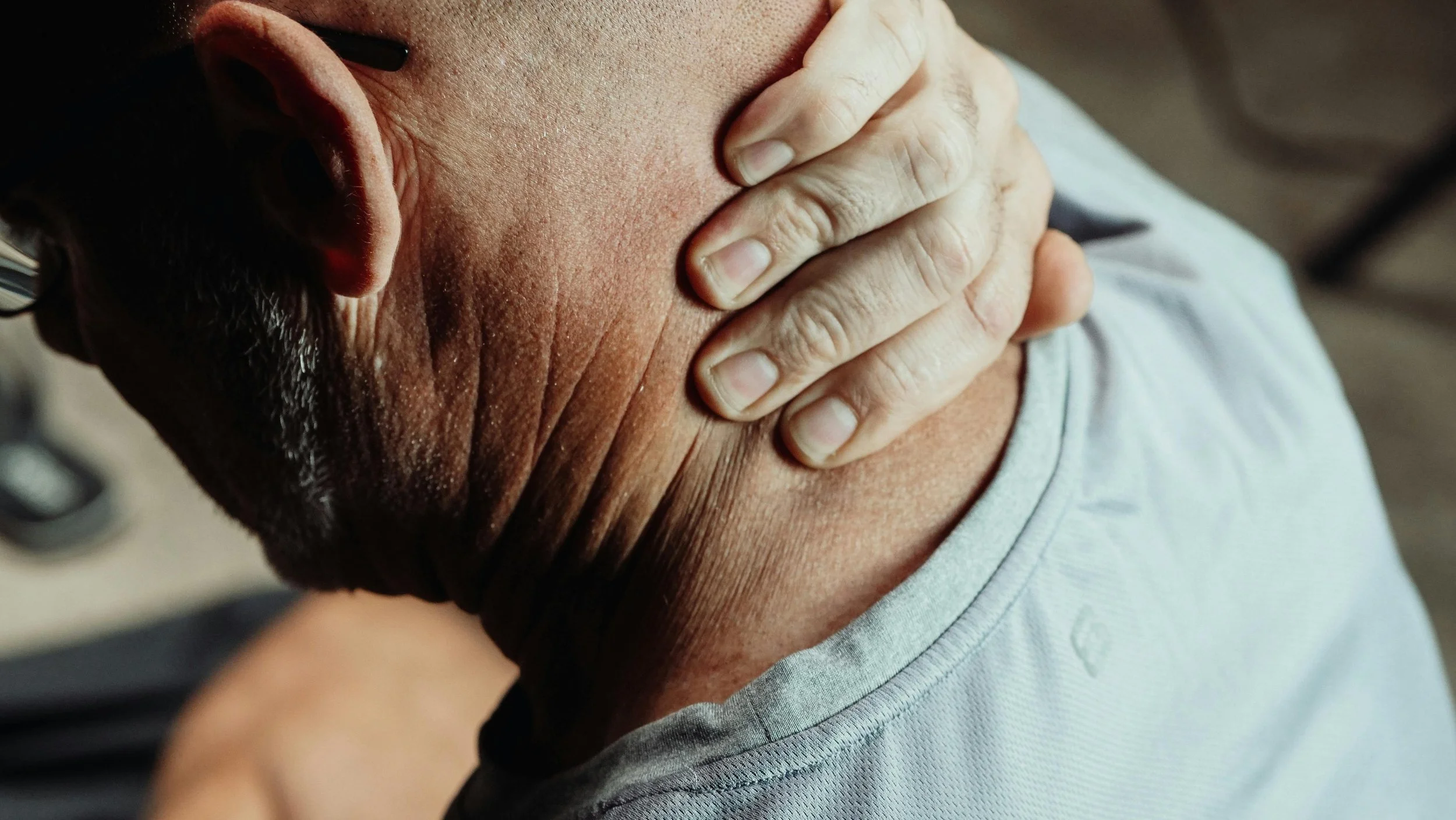
Winter brings a noticeable increase in pain for many hospice patients. The aching that was manageable in summer becomes much worse when temperatures drop. Joints hurt more, old injuries flare up, and overall discomfort intensifies in ways that make cold months especially difficult for people already dealing with serious illness.
This connection between cold weather and increased pain isn't just in patients' heads. Cold temperatures affect the body in real ways that intensify pain signals, increase muscle tension, and make existing conditions more uncomfortable. Understanding why winter hurts more and what you can do about it helps you manage your loved one's pain more effectively during the hardest months of the year.
The challenge is that hospice patients often can't just bundle up and stay warm the way healthy people can. They're less mobile, have difficulty regulating body temperature, and may not be able to communicate clearly about where they hurt or what would help. As a caregiver, learning to recognize cold-related pain increases and knowing how to respond makes a real difference in their daily comfort.
Why Cold Weather Increases Pain
Several physical changes happen in cold weather that directly affect how much pain your loved one experiences. Understanding these mechanisms helps you take the right approach to managing winter pain.
Blood vessels constrict in cold temperatures, reducing blood flow to extremities and joints. This decreased circulation means less oxygen and fewer nutrients reach painful areas, while waste products that contribute to pain sensations build up. The result is increased aching, especially in hands, feet, and joints.
Barometric pressure changes that often accompany cold weather affect tissues in the body. When atmospheric pressure drops before storms or during weather changes, tissues can swell slightly. This swelling puts pressure on nerves and joints, increasing pain in areas that are already compromised by illness or injury.
Cold makes muscles tighten and contract as the body tries to preserve heat. This increased muscle tension creates additional pain and stiffness, especially in the back, neck, and shoulders. For bedbound patients who already struggle with muscle tension, cold weather significantly worsens this discomfort.
Reduced activity in winter means joints stiffen from less movement. Even patients who could move somewhat during warmer months often become more sedentary when it's cold, leading to increased joint stiffness and pain. The less you move, the more joints hurt, creating a cycle that's hard to break.
Illness itself often impairs the body's ability to regulate temperature, making hospice patients feel colder than the actual temperature would suggest. This means they experience all the pain-increasing effects of cold even when the house feels comfortably warm to healthy people.
Keeping Your Loved One Warm Without Overheating
The obvious solution to cold-related pain is staying warm, but achieving comfortable warmth for hospice patients requires more strategy than just turning up the thermostat or piling on blankets.
Layer blankets rather than using one heavy comforter so you can easily adjust warmth as needed. Start with a sheet, add a light blanket, then a warmer one, allowing you to remove or add layers throughout the day as your loved one's comfort needs change. Trapped between too many heavy covers or shivering under insufficient coverage both create problems.
Use heating pads or warm compresses on specific painful areas rather than trying to heat the entire body. A heating pad on aching knees, a warm compress on a sore shoulder, or a heated blanket across the back can provide targeted relief without making your loved one uncomfortably hot overall.
Dress your loved one in layers of soft, breathable clothing rather than heavy single pieces. Light layers trap warm air between them while remaining easy to adjust or remove if they get too warm. Thick, heavy clothing can be uncomfortable for bedbound patients and harder to work with during care tasks.
Keep extremities especially warm since hands and feet often hurt most in cold weather. Warm socks, even light gloves or hand warmers, and ensuring arms and legs are covered all help reduce pain in these vulnerable areas. Many patients tolerate light covers over their core but need extra warmth on hands and feet.
Maintain consistent room temperature rather than letting it fluctuate dramatically. Big temperature swings trigger more pain than steady moderate warmth. If you need to keep the thermostat lower for cost or comfort of others in the household, focus on creating a warm microclimate around your loved one's bed or chair.
Watch for signs of overheating including sweating, restlessness, or flushed skin. Being too hot creates different discomfort and can worsen symptoms in some patients. Finding the sweet spot of comfortably warm without too hot requires attention and adjustment.
Adjusting Pain Medication for Winter Months
Cold weather might require changes to your loved one's pain management plan. Work with your hospice team to optimize medication for winter pain increases.
Talk with your hospice nurse about whether pain medication doses need adjusting during cold months. The same medication that controlled pain adequately in summer might not be enough when weather-related pain increases kick in. Don't assume you must just tolerate increased pain without addressing it medically.
Ask about adding anti-inflammatory medications if joint pain worsens significantly in cold weather. These can work alongside other pain medications to specifically target the inflammation that cold temperatures worsen in arthritic or damaged joints.
Consider whether medication timing should shift to cover the coldest parts of the day. If mornings are hardest because the house cooled overnight, ensuring pain medication is optimally effective during these hours might mean adjusting when doses are given.
Use breakthrough pain medication more readily during cold snaps or weather changes. Many patients have both scheduled pain medication and additional doses available for when pain spikes. Cold weather might require using breakthrough medication more frequently than during warmer months.
Don't wait for pain to become severe before addressing it. Staying ahead of pain works better than trying to control pain that's already intense. If you notice pain increasing as temperatures drop, proactive medication adjustment prevents suffering.
Creating Warm Environments Around Bedbound Patients
When your loved one stays in bed most or all of the time, you can create a warm microenvironment around them that maintains comfort without heating the entire house to high temperatures.
Position their bed away from windows and exterior walls where cold drafts and lower temperatures concentrate. Even a few feet of distance from cold walls makes noticeable difference in how warm the immediate bed area stays.
Use a space heater safely positioned to warm the area around their bed without creating fire hazards. Keep heaters at least three feet from bedding, curtains, and anything flammable. Never leave space heaters unattended or running while you sleep.
Hang heavy curtains or quilts over windows near their bed to block cold air seeping through glass. Windows lose heat dramatically, and covering them creates an additional barrier between your loved one and cold outside temperatures.
Create a canopy effect over the bed using light fabric draped from the ceiling or a bed frame if you have one. This traps warm air around your loved one similar to how bed canopies worked in cold castles before modern heating. Simple fabric hung to create a cozy enclosed feeling makes the immediate bed area noticeably warmer.
Use flannel or fleece sheets instead of regular cotton during winter months. These warmer fabrics feel more comfortable against skin and help retain body heat better than smooth cotton sheets.
Place extra padding under your loved one since cold comes from below as much as from the air. A mattress pad, extra blanket folded beneath them, or sheepskin under their body all provide insulation from cold coming through the mattress.
Movement and Gentle Activity to Reduce Stiffness
Even very limited movement helps reduce the pain-causing stiffness that cold weather worsens. Finding ways to keep joints moving within your loved one's abilities decreases pain from being still.
Help your loved one through gentle range of motion exercises daily, moving joints through their natural movement patterns even if they cannot do this independently. Slowly bending and straightening elbows, knees, and ankles, rotating wrists and shoulders, and gently moving fingers and toes all help maintain joint flexibility.
Reposition your loved one more frequently during cold weather when stiffness develops faster. Instead of every two hours, try repositioning every ninety minutes to prevent joints from getting locked in one position long enough to become painfully stiff.
Encourage any movement they can do independently, however small. Wiggling toes, making fists and releasing them, rolling shoulders, or turning their head side to side all count as beneficial movement that reduces stiffness and pain.
Combine movement with warmth by doing gentle exercises right after applying heat to painful areas. Warm muscles and joints move more easily and with less pain than cold, stiff ones. A few minutes with a heating pad followed by gentle movement works better than either approach alone.
Use massage to warm tissues and encourage circulation even when your loved one cannot actively move. Gentle massage of hands, feet, arms, and legs brings warmth to these areas while providing some of the benefits of movement without requiring effort from the patient.
Warm Baths and Soaks for Pain Relief
For patients who can still safely get into a tub or basin, warm water provides excellent pain relief during cold weather.
Warm baths ease muscle tension and joint pain while surrounding the body with comforting heat. The buoyancy of water also reduces pressure on painful joints in ways that feel wonderful for people who spend most of their time in bed or chairs.
Foot soaks work well for patients who cannot manage full baths. Warm water on feet and lower legs can ease pain throughout the body while being much simpler and safer than bathing. A basin of warm water with Epsom salts provides both warmth and the muscle-relaxing effects of magnesium.
Add essential oils like lavender or eucalyptus to bath water for additional relaxation and pain relief. These scents have genuine pain-reducing effects beyond just creating pleasant atmosphere.
Keep the bathroom warm before and after bathing so the transition from bath to air doesn't create painful cold shock. Have warm towels and clothing ready immediately at hand to wrap your loved one in the moment they exit the water.
Ensure safety is maintained during bathing since warm water can cause dizziness or weakness. Never leave your loved one unattended in water, have grab bars or assistance available, and be prepared to help them in and out of the tub safely.
Working With Your Hospice Team
Your hospice team here at Coastal can provide specific guidance and resources for managing winter pain that goes beyond what you can handle alone.
Ask your hospice nurse to assess your loved one's pain during cold weather and recommend specific interventions. They've worked with many patients through winters and know what approaches tend to work well, and can consult with our Physical Therapists if they need some extra ideas.
Request supplies that might help with warmth and pain relief including heating pads, warm compresses, or special blankets if your hospice program provides these items.
Discuss whether alternative pain management approaches like massage therapy, which many hospice programs offer, might help during winter months when pain increases.
Report pain increases promptly rather than assuming you must tolerate them until your next scheduled visit. Hospice teams can make interim adjustments to pain management plans based on phone conversations without waiting for in-person assessment.
When Weather Changes Are Coming
Weather changes often trigger more pain than steady cold, so preparing for approaching storms or temperature drops helps you stay ahead of pain spikes.
Watch weather forecasts and prepare for approaching cold fronts or storms that might increase pain. Have heating pads ready, ensure adequate pain medication is available, and plan to be especially attentive to comfort during these high-pain-risk periods.
Consider giving breakthrough pain medication preventively when barometric pressure is dropping before storms arrive rather than waiting for pain to spike. Staying ahead of weather-related pain increases works better than trying to control pain after it intensifies.
Keep your loved one especially warm during the 24 hours before and during weather changes when pain typically peaks. Extra blankets, heating pads, and warm drinks can all help moderate the pain increase that weather changes trigger.
Cold weather doesn't have to mean accepting that your loved one will be significantly more uncomfortable for months. Understanding why cold increases pain and using multiple strategies to maintain warmth, adjust medications, encourage gentle movement, and work proactively with your hospice team can minimize winter's impact on pain levels. While you cannot eliminate cold-weather pain completely, thoughtful attention to keeping your loved one warm and comfortable makes winter significantly more bearable during an already difficult time.