Forgotten Traditions of Christmas Past
The hospice patient you're caring for grew up celebrating Christmas in a completely different world than we know today. If your loved one was born between 1940 and 1960, their childhood Christmases looked nothing like ours. They made decorations by hand, waited weeks for a single special TV program, and experienced the holiday magic with far fewer gifts but often deeper meaning.
This Christmas, bringing back just one or two traditions from their childhood might create surprisingly meaningful moments. You don't need to recreate entire vintage celebrations or hunt down authentic period items. Simply acknowledging how Christmas used to be, asking your loved one to share memories, or trying one activity they remember from childhood can make this holiday feel more personally connected to their life story.
Here are some of the traditions your loved one likely experienced growing up that have mostly disappeared from modern celebrations. Pick one that sounds manageable and meaningful for your family, and consider making it part of this year's Christmas.
Making Paper Chains and Popcorn Garland
Kids in the 1940s through 1960s spent December evenings making decorations from construction paper, old magazines, and whatever was around the house. Paper chains were the big one. Cut strips of colored paper, make loops, link them together, and suddenly you had colorful garland that cost almost nothing but looked festive draped around doorways and over mantels.
Stringing popcorn and cranberry garland was another evening activity that filled time before Christmas. Families sat together threading popcorn kernels and fresh cranberries onto long strings that would wind around the tree. The smell of fresh popcorn mixed with pine tree scent was what Christmas smelled like for this generation.
Try this: Spend an evening making paper chains with your loved one, even if they can only watch and direct from bed. Let grandchildren help if they're around. The activity itself matters more than perfect results. Or pop some popcorn and string a small garland together while reminiscing about the Christmases they remember. These simple crafts create conversation starters about their childhood holidays.
The Single Special Gift
Christmas morning looked very different for today's hospice patients when they were kids. Many children received one main gift, not piles of presents. That single gift was anticipated for weeks and cherished for years. A new doll, toy truck, or board game was expected to last, not be replaced when something newer came along.
Stockings held practical items like oranges, nuts, ribbon candy, and maybe one small toy. The orange in the toe of the stocking was a highlight, not a throwaway. Fresh fruit in winter was a genuine treat because you couldn't get strawberries and oranges year-round like we can now.
Kids often couldn't go downstairs until parents gave permission, creating suspense that built overnight. Some families made children eat breakfast before opening anything. The entire gift-opening might last 30 minutes, and by mid-morning everyone was playing with new toys while adults cooked the big Christmas dinner.
Try this: Put an orange in your loved one's stocking this year and mention that this used to be the best part of Christmas stockings. Share simpler gifts focused on quality over quantity. Talk with them about the best gift they remember receiving as a child and why it meant so much.
Christmas Dinner at Noon with Foods We Don't Eat Anymore
Christmas dinner happened at midday, not evening. Families gathered around 1 or 2 PM for an elaborate meal, reflecting the era when "dinner" meant the midday meal and "supper" came later.
Ham was just as common as turkey, usually baked with pineapple rings and cherries in that distinctive mid-century style. Some families served pot roast, goose, or duck. Turkey wasn't yet the assumed default for every holiday.
Jello salads in elaborate molds graced holiday tables, often with suspended fruit or vegetables. These shimmering molded creations were considered elegant, showing off the hostess's skills. And fruitcake was actually good and actually eaten. Homemade fruitcakes made weeks ahead and aged with brandy or rum were genuine treats that families looked forward to, not the dry commercial versions that became punchlines later.
Specific candies only appeared at Christmas. Divinity, ribbon candy, and those fancy dishes of hard candies shaped like ribbons or fruit appeared only during the holidays. Their arrival signaled that Christmas had really come.
Try this: Ask your loved one what their family always ate for Christmas dinner when they were growing up. Make one dish they remember, even if it's not part of your usual menu. Serve Christmas dinner at midday if that's what they remember. Buy some old-fashioned ribbon candy or make divinity together if they have the energy.
Real Trees and Tinsel Strand by Strand
Every tree was a real tree, always. Families cut their own from tree farms or nearby woods, often making an event of selecting the perfect tree. Most families waited until much closer to Christmas to put trees up compared to our right-after-Thanksgiving timing. Trees might go up just a week before Christmas.
Tinsel was hung strand by strand, carefully placed to create that perfect shimmer. This took forever but created the magical effect that made trees glow in candlelight and dim electric lights. Many families saved and reused tinsel year after year, carefully removing it and storing it between Christmases.
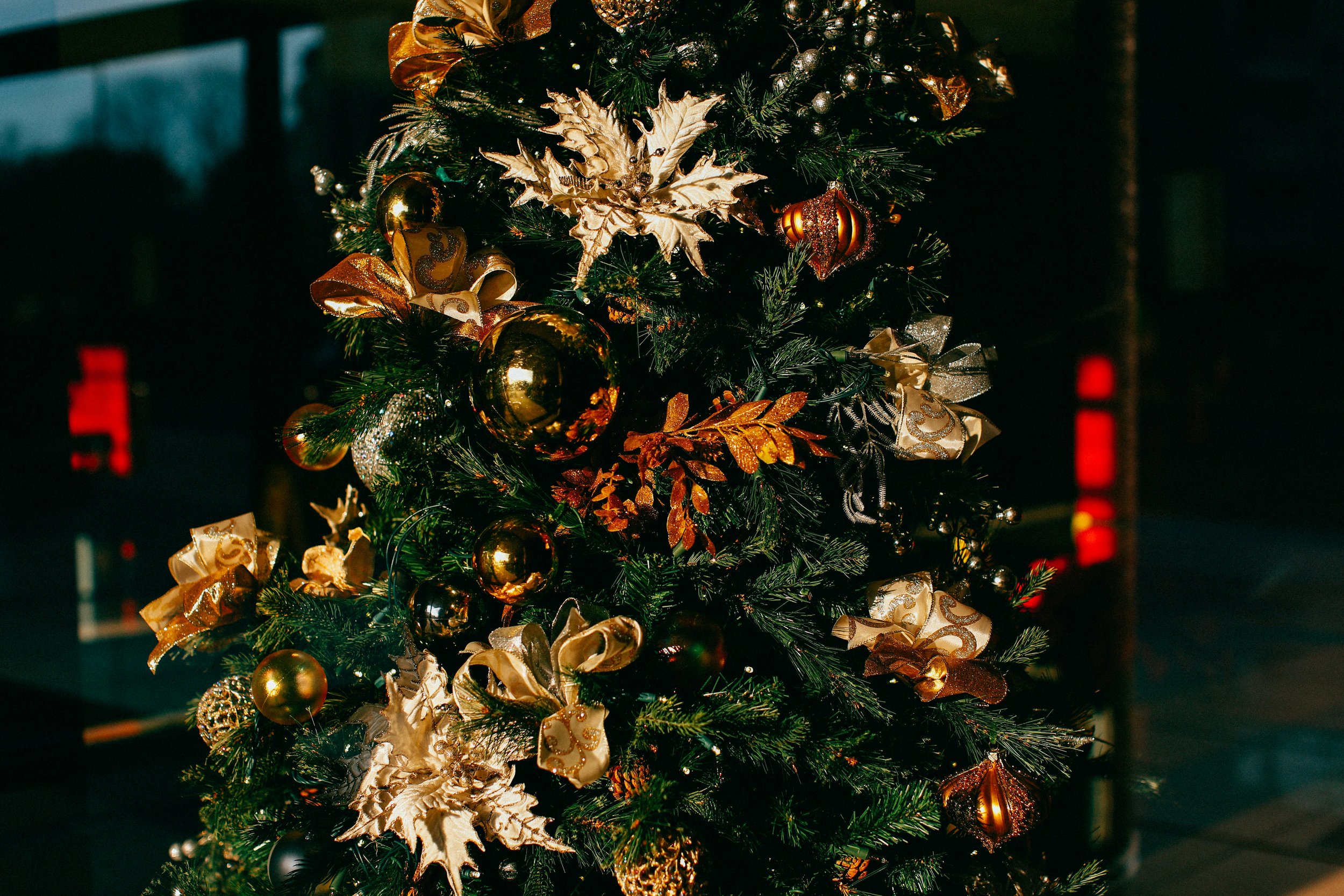
Ornaments were often homemade from pinecones, walnut shells, clothespins, and whatever was around the house. Each decoration had a story. A smaller number of precious glass ornaments mixed with the handmade ones, and every ornament mattered because there weren't bins and bins of decorations like we have now.
Try this: Let your loved one direct tree decorating from their bed or chair, asking them how their family used to decorate. If they remember making specific ornaments as kids, try making something similar even if it's simple. Buy a small package of old-fashioned tinsel and let them help place it strand by strand on part of the tree, the way they remember doing as children.
Christmas Specials You Couldn't Record
Families planned entire evenings around watching specific Christmas specials that aired once per year. Missing "Rudolph the Red-Nosed Reindeer" or "A Charlie Brown Christmas" meant waiting an entire year because there was no way to record shows. The specialness came partly from this once-a-year-only quality.
Black and white TV was standard during the childhoods of many hospice patients today. The magic of "Miracle on 34th Street" or early Christmas specials came through just fine without color.
Limited channels meant everyone watched the same programs, creating shared cultural experiences. Everyone at school had seen the same Christmas special because only a few options existed. You all talked about the same shows because you'd all watched the same three channels.
Try this: Watch classic Christmas movies from the 1940s and 1950s with your loved one. "Miracle on 34th Street," "White Christmas," "It's a Wonderful Life," or the earliest Rudolph and Charlie Brown specials can transport them back to the Christmases they remember. Ask them which shows or movies they looked forward to most as kids.
Making This Christmas Connect to Their Past
You don't need to recreate a complete 1950s Christmas to make this holiday meaningful for your loved one. Bringing back just one or two elements they remember, asking them to share stories, and showing that you value their memories can create powerful connections.
Ask specific questions about their childhood Christmases. What did their tree look like? What was the best gift they ever got as a kid? What did their mom always make for Christmas dinner? What songs did they sing in church? These conversations provide comfort through reminiscence while teaching you about their personal history.
Try one traditional activity together, even if your loved one can only participate by watching and directing. Making paper chains, stringing popcorn, placing tinsel strand by strand, or baking a recipe from their childhood all create meaningful moments that connect to their memories.
Watch old movies together and let them tell you about seeing these films when they first came out. Listen to Christmas music from the 1940s and 1950s instead of only modern songs. Serve foods they remember from childhood Christmases even if those dishes aren't part of your current traditions.
The Christmas your loved one knew as a child involved simpler decorations, fewer gifts, stronger community traditions, and a different pace than our current holiday rush. This might be their last Christmas. Making small efforts to honor the traditions they grew up with shows that their memories matter and that the Christmas they knew was special and worth remembering. Sometimes the best gift you can give is showing that you care about their history and the experiences that shaped who they became.