Books to Help Children Understand Death and Hospice

When a grandparent is in hospice, children are often more aware of what's happening than adults realize. They pick up on the tension in the room, the hushed conversations, the way the house feels different. What they usually lack is language for any of it.
It can be tough to know exactly what to say to your children, and finding the right way to share the information can be difficult, too. Sometimes reading and talking about a book is one of the best ways to approach it in a way that feels real but not as scary as a straight-on conversation might feel.
Here are four books worth knowing about, one for each stage from very young to teen.
For very young children, ages 3 to 6
The Fall of Freddie the Leaf by Leo Buscaglia
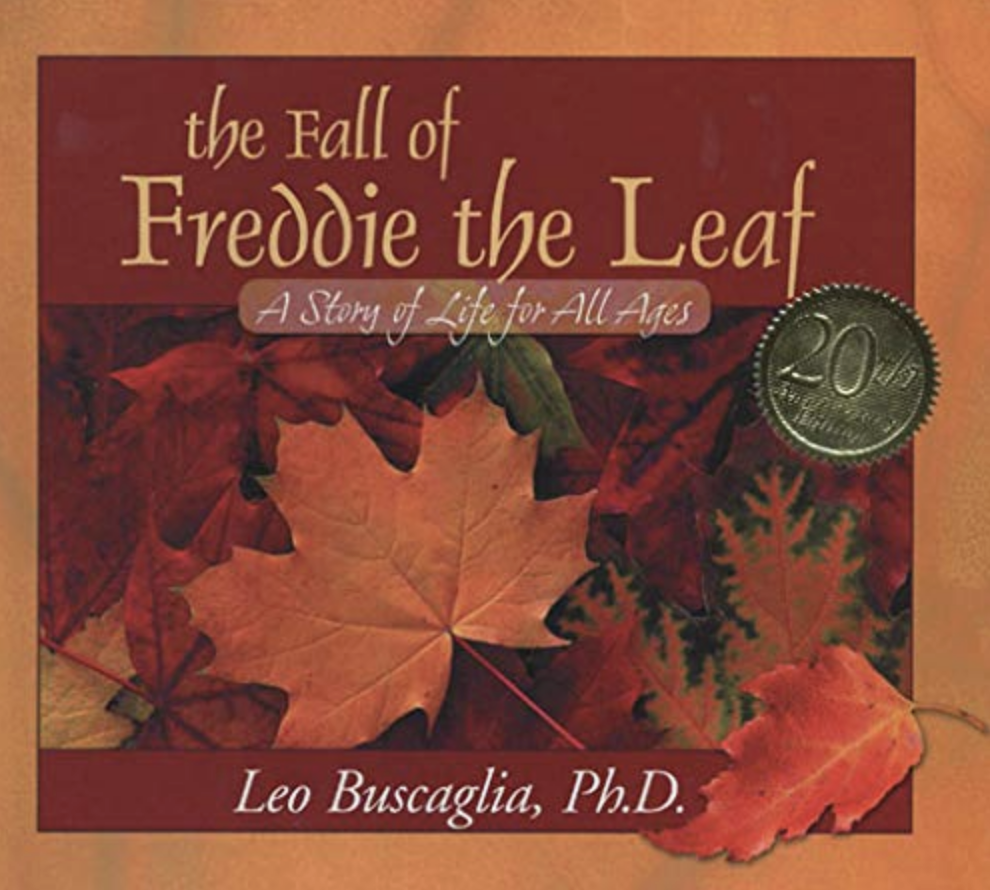
This slim picture book has been helping families talk to young children about death for decades. It follows a leaf named Freddie through the changing seasons, from spring through summer and into fall, as he and his companion leaves eventually let go and fall to the ground.
It doesn't use the word death in a frightening way. It doesn't require a child to understand what hospice is. It simply introduces the idea that living things have a season, that the end of that season is natural, and that something remains even after a leaf has fallen. For a three or four year old who senses that something is happening with Grandma but can't yet hold the full truth of it, this book gives them a way in.
It is short enough to read at bedtime and simple enough to read more than once without the child finding it heavy. Many families keep it out on a shelf and let children come back to it on their own.
For early readers, ages 5 to 8
The Invisible String by Patrice Karst
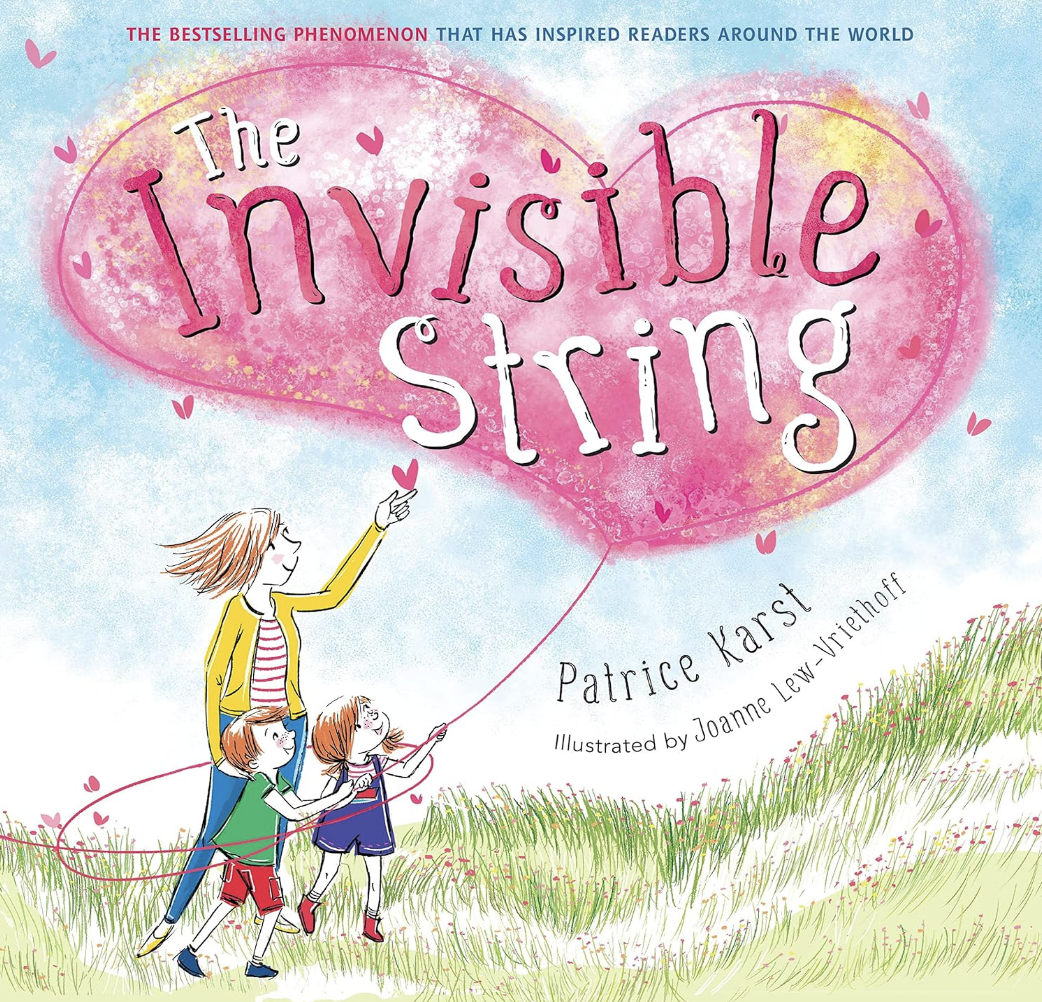
This book starts from the question children ask most often when they're afraid of losing someone: what happens to our connection when they're gone? The answer it offers is that love creates a bond that doesn't break, even across distance, even across death. The invisible string of the title is that bond, and the book makes it feel real and concrete in a way young children can hold onto.
For a child who is close to a grandparent in hospice, the reassurance this book provides is specific and useful. It doesn't avoid the reality that people die. It addresses what remains afterward, which is often the thing children are most afraid to ask about directly.
It works well as a read-together book, the kind you sit with a child and go through slowly, pausing to talk. Many parents find it opens conversations they didn't know how to start on their own.
For middle grade readers, ages 8 to 12
Tuck Everlasting by Natalie Babbitt
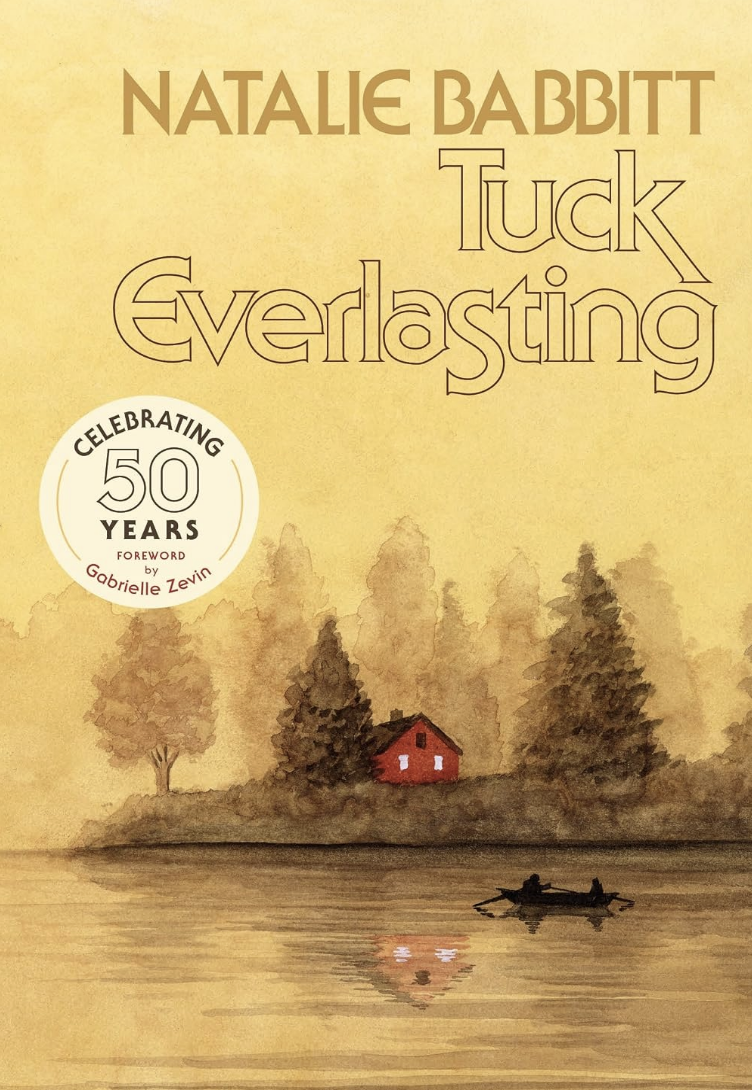
This one is a novel rather than a picture book, and it works differently from the others on this list. It tells the story of a family that has drunk from a spring that makes them unable to die, and a young girl who must decide whether she wants to drink from it too.
What makes it useful for children in this age range is that it takes the question of death seriously without being sad in a simple way. It asks what it would actually mean to live forever, what death gives to life rather than takes from it, and why saying goodbye is part of what makes love real. For a child old enough to think about these things but not yet ready for a direct conversation about a dying grandparent, this book offers a way to approach those ideas from a safe distance.
It is widely taught in schools and easy to find at any library. A child who reads it during a hospice journey may not connect it directly to what's happening at home, and that's fine. The ideas land anyway.
This book has also been made into a movie.
For teenagers
The Fault in Our Stars by John Green
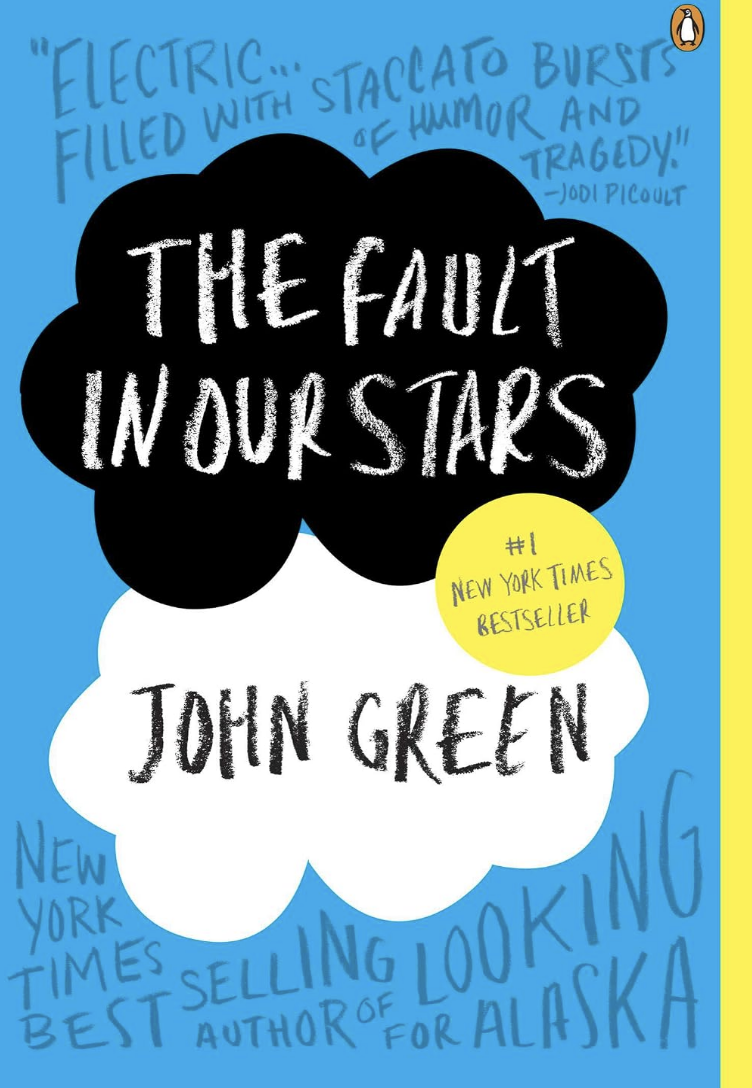
This novel follows two teenagers with cancer who fall in love, and it is one of the most widely read books about death and dying written for a young audience. It is honest about fear, about what it feels like to watch someone you love become sicker, and about the particular grief of losing someone while you're still young and not yet equipped for it.
For a teenager with a grandparent in hospice, this book can do something that direct conversation often can't: it can give them a place to put feelings they might not be ready to show anyone yet. Grief that's too big to say out loud can sometimes be felt safely through fiction first.
It is worth noting that the book is about teenagers with cancer, not about grandparents in hospice. But the emotional territory it covers, the fear of loss, the wish to say the right thing, the way death changes how you see everything, is the same territory a teenager is navigating when someone they love is dying.
This one has also been made into a movie.
A note for parents and caregivers
Read any of these yourself before sharing them with a child. Not to screen for content, but so you know what's in them and can be ready for the conversation that may follow. A book that opens a door is only useful if there's an adult on the other side of it.
Your hospice social worker can also help you think through how to talk to children at different ages about what's happening. That conversation doesn't have to wait until after the death. In fact, it's better if it doesn't.