Beyond the Medical: Holistic Approaches for Home Hospice Care
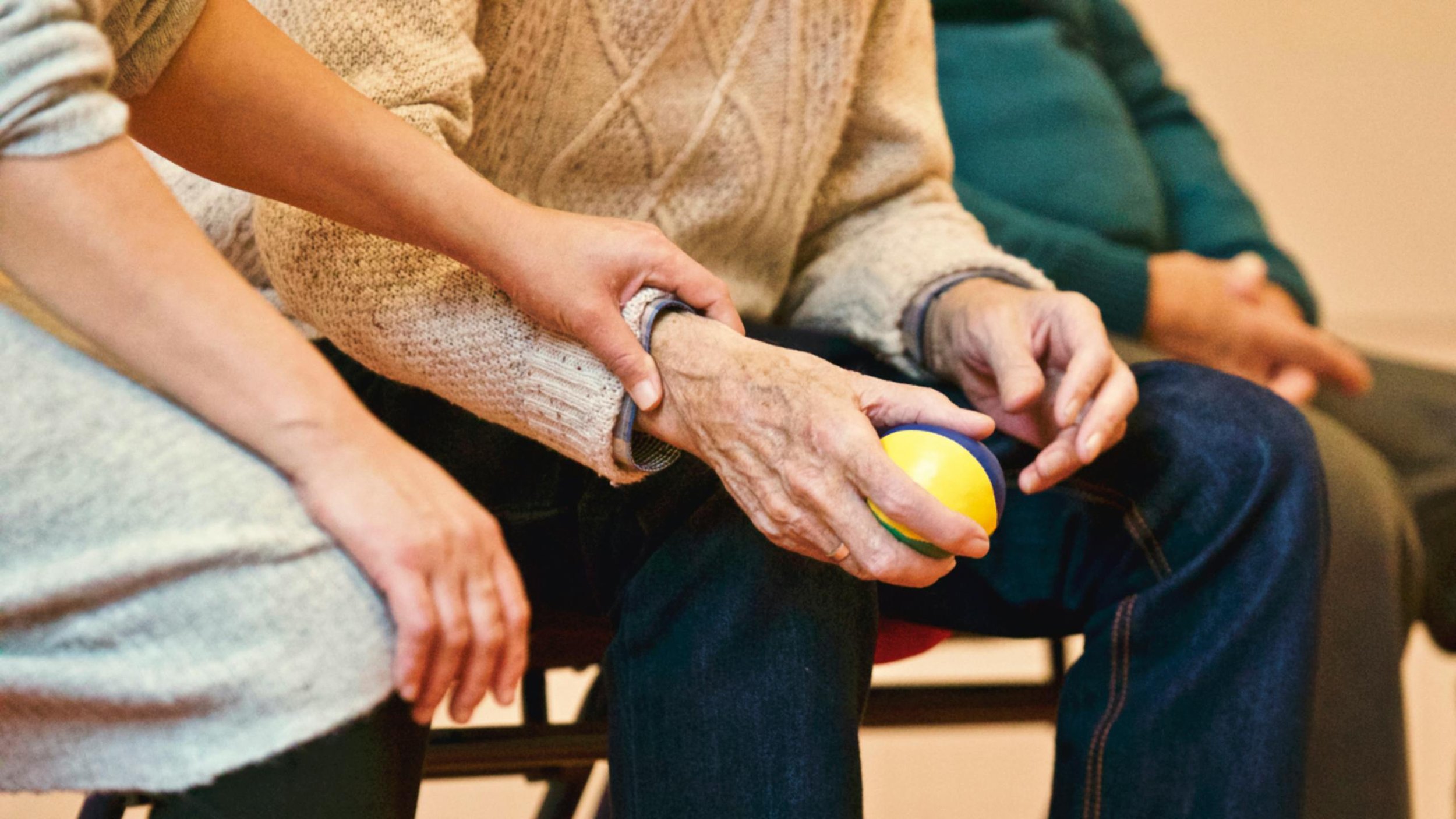
Good home hospice care manages pain and keeps a patient physically comfortable. Great home hospice care does that and also pays attention to the rest of the person, their mood, their senses, their need for connection and beauty and something that feels like normal life.
The good news is that most of what makes a real difference in that second category doesn't require special training or expensive equipment. It requires attention and a willingness to try things. Here are some things you can do for your loved on in home hospice care to help them feel more loved, more creative, more seen, and more at home.
Music
Music reaches people in ways that are hard to explain and easy to feel. It can calm, lift, comfort, and unlock memory in a person who seems otherwise far away. If your loved one has music they've always loved, use it deliberately rather than leaving it to chance.
Build playlists of songs from different periods of their life. Music from their twenties and thirties tends to land especially well, particularly for patients with memory loss. Soft music in the background during rest can settle the room. Livelier music during meals or morning care can shift the mood in a way that nothing else quite does.
If your loved one played an instrument or loved to sing, encourage whatever version of that is still possible, even humming along, even listening with their eyes closed and their hands moving slightly. Or find recordings of the musicians who inspired their playing, and have them talk about how that person influenced your loved one’s own style.
The engagement itself is the point.
Scent
The sense of smell is tied to memory and emotion more directly than any other sense, which makes it one of the most powerful and underused tools in home hospice care.
Lavender is widely used for its calming effect. Peppermint can help with nausea. But familiar scents often work better than anything from a bottle. The smell of something baking, a bar of soap they've used for years, flowers from outside, coffee in the morning: these things signal safety and home in a way that reaches people even when other things can't.
Most people have scents that remind them of their childhood or of special times in their life, like their wedding, a favorite park, a church, or their grandmother’s house. Rotating through these scents can bring back happy memories for your loved one.
Check with your hospice team before using essential oils directly on the skin or in a diffuser near a patient with breathing difficulties. Used thoughtfully, though, scent is a simple and low-cost way to make the environment feel safe and comforting.
Touch
Gentle touch is one of the most direct forms of comfort available to a caregiver, and it doesn't require any training to use well. A slow hand massage with unscented lotion. Holding their hand while you sit with them. A gentle shoulder rub. The simple weight of a warm blanket placed with care.
Even a 20-second hug releases enough oxytocin to make you feel better, and people who receive hugs can have reduced chances of catching viruses, have reduced cortisol, experience improved wound healing, and have reduced inflammation.
Touch communicates things that words sometimes can't, particularly for patients who are less verbal or whose cognition has changed. It says you are here, you are safe, someone is paying attention to you. For patients who are nearing the end and becoming less responsive, touch remains meaningful long after other forms of connection have become harder.
Nature
Access to the natural world matters to people, even at the end of life. If your loved one's room has a window, position their bed or chair to take advantage of it. Light changes through the day. Birds move through the yard. Weather comes and goes. These things connect a person to the larger world outside the room.
Bring nature inside where you can. A few flowers from the garden, a small plant on the windowsill, a bowl of fruit. If your loved one can get outside, even briefly, a few minutes in fresh air and natural light does something that's hard to replicate indoors. The feel of sun on the face, the sound of wind or water, the smell of the ocean or the forest: these things matter.
Creativity
Some patients find real comfort in making things, even in a limited way. Simple coloring, working with clay, sketching, arranging flowers: the act of creating something, however small, gives a person a sense of agency and expression that pure rest doesn't provide.
If physical creation has become too hard, the creative impulse can find other forms. Describing a memory in detail for someone to write down. Choosing photos for a book someone else assembles. Telling a story. Giving direction and input is its own form of creative participation, and patients who feel like they are contributing to something often do better than those who feel entirely passive.
Mindfulness and breathing
You don't need to be a meditation teacher to guide a patient through simple breathing. Slow, deliberate breath is one of the most direct tools available for managing pain and anxiety, and it works for many patients regardless of their prior experience with it.
A simple prompt is enough: "Let's take a few slow breaths together. In through the nose, out through the mouth." Doing it with them rather than instructing them to do it alone makes it more likely to land. There are also free apps and audio recordings with guided sessions specifically made for people dealing with illness, if your loved one responds better to a voice that isn't yours.
A note on what you're already doing
Much of the holistic care that makes the biggest difference isn't a technique or a product. It's your consistent presence in the room. Your attention to what your loved one needs and what brings them a moment of comfort. The fact that you notice when they seem off, that you adjust, that you keep showing up.
That is not nothing. It is, in practice, the most powerful form of holistic care available, and you are already providing it.