When Your Loved One No Longer Recognizes You
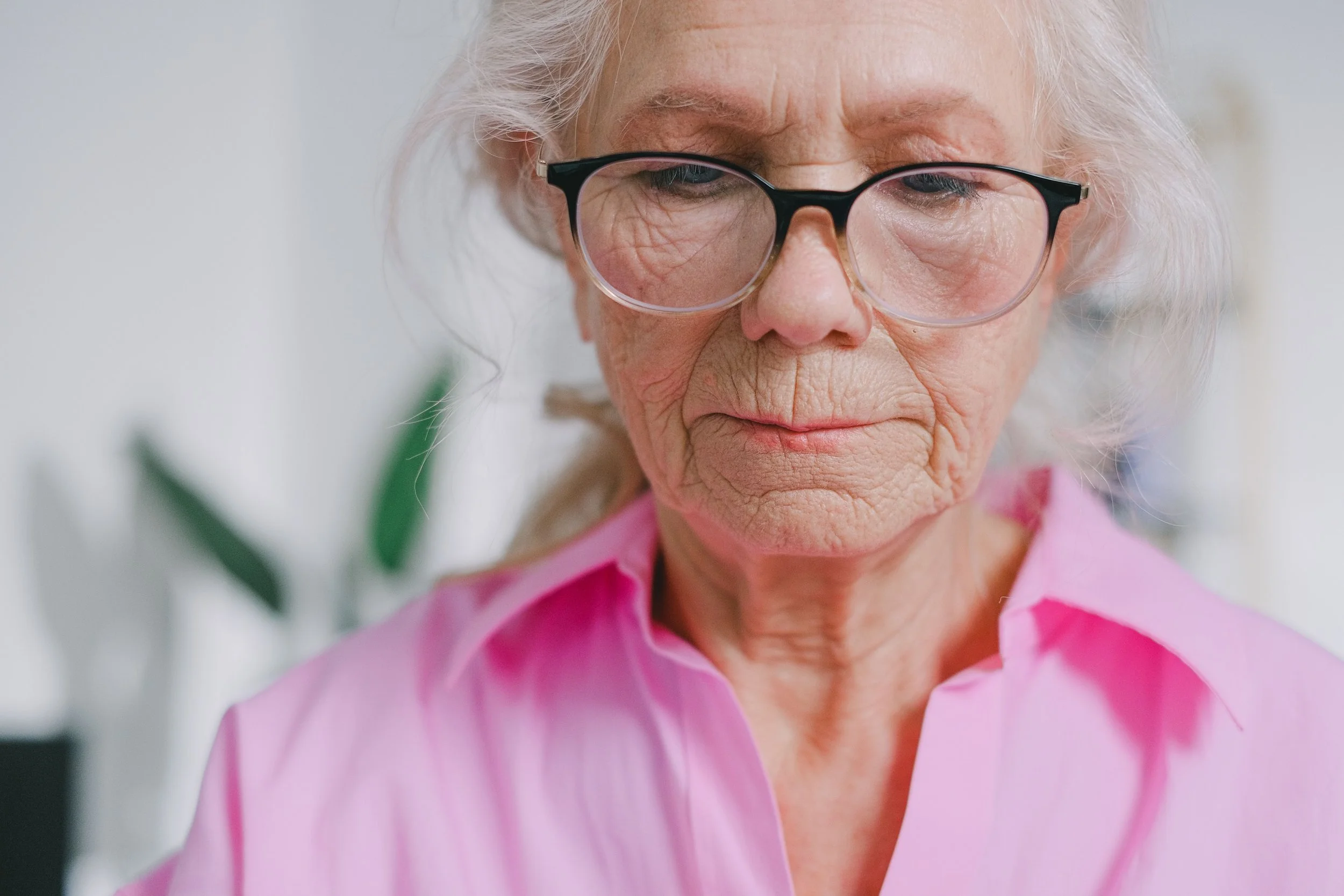
You walked into the room the same way you have every day for months. And they looked at you like a stranger.
Maybe they asked who you were. Maybe they called you by someone else's name. Maybe they just looked at you with eyes that held no recognition at all, no warmth of knowing, none of the familiarity that has defined your relationship for decades.
If you have been through this moment, you know there is almost nothing that prepares you for it. And if you are dreading it because you can see it coming, knowing it's ahead doesn't make it much easier.
This post won't make it not hurt. But it might help you understand what's happening and what to do with yourself in the middle of it.
What is actually happening
When a person with dementia or advanced illness stops recognizing someone they love, it is not because that love is gone from them. The brain, as it deteriorates, loses access to things in a specific order, and the ability to attach a face to a name and a relationship is one of the things that goes first. What tends to stay much longer is emotional memory: the feeling of safety, the sense that someone is good and known, the comfort of a familiar presence even when the name and the face no longer connect.
In practical terms, this means your loved one may not know you are their daughter, but they may still feel calmer when you are in the room. They may not know your name, but they may reach for your hand. They may look at you without recognition and still respond to the warmth in your voice. The relationship is still there, even when the knowledge of it isn't.
What to do in the moment
Don't correct them. If your mother calls you by her sister's name, or asks who you are, arguing or insisting on the truth causes distress without any benefit. She cannot hold onto the correction. What she can hold onto is how the interaction feels.
Instead, meet her where she is. If she thinks you're someone else, you can gently redirect without correcting. "I'm here to visit with you" is enough. If she asks who you are, you can say your name warmly and simply, without the weight of everything that name is supposed to mean to her right now.
Stay calm, even when you are not calm inside. Distress is contagious in a way that goes deeper than words. A person with dementia may not be able to tell you why they feel anxious, but they will feel it if you bring anxiety into the room. Your steady, warm presence regulates them even when they can't explain why.
What to do with what you're feeling
This kind of loss has a name in grief circles. It's called ambiguous loss, and it refers to losing someone who is still physically present. The person is in the room. You can see them, touch them, sit with them. And they are also, in a real and painful way, gone from you in the ways that mattered most.
You are allowed to grieve this. Not secretly, not only in the car on the way home, but as the real loss it is. The relationship you had with this person, the one where they knew your face and said your name and held your history together with you, that version of the relationship is over, and that deserves to be mourned. It is sad, and suppressing your feelings won’t help you or anyone else in your life.
It can help to find somewhere to say that out loud. A counselor, a caregivers support group, a friend who can hold it with you. Your hospice team's social worker or spiritual care coordinator have walked alongside many families through situations exactly like this and can help you make sense of what you're carrying.
How to keep showing up
This is the part that matters most and that nobody tells you clearly enough: your presence still counts, even now.
Go anyway. Sit with them anyway. Talk to them anyway, even if they don't know who is talking. Tell them about your day, about the weather, about something small that happened. Read to them. Put on music they have always loved. Hold their hand if they will let you.
They may not know you are their child or their spouse. But they know someone is there, and that someone feels safe. That is not a lesser version of your relationship. It is what your relationship has become, it is very much real, and it is worth cherishing still.
Some people find it helps to shift how they think about the visits. Instead of going to see if your mother recognizes you today, go to spend time with her. The goal changes from being known to being present, and presence is something you can always give, regardless of what she does or doesn't remember.
If it's your spouse
Losing recognition from a spouse can be even more difficult. This is the person who has known you longer and more fully than almost anyone. Being looked at without recognition by someone who has shared your life for thirty or forty years is a grief that can be disorienting, heavy, and nearly unbearable.
Some spouses find that the caregiving relationship shifts into something different when recognition goes, something more like tending to a person they love deeply than being in a mutual partnership. That shift is real and it's okay to name it. It doesn't mean the love is gone. It means the love has had to find a new shape.
Give yourself room for that. And give yourself credit for showing up for someone who can no longer tell you that it matters.
It does.