What to Do When Your Loved One Is Afraid to Die
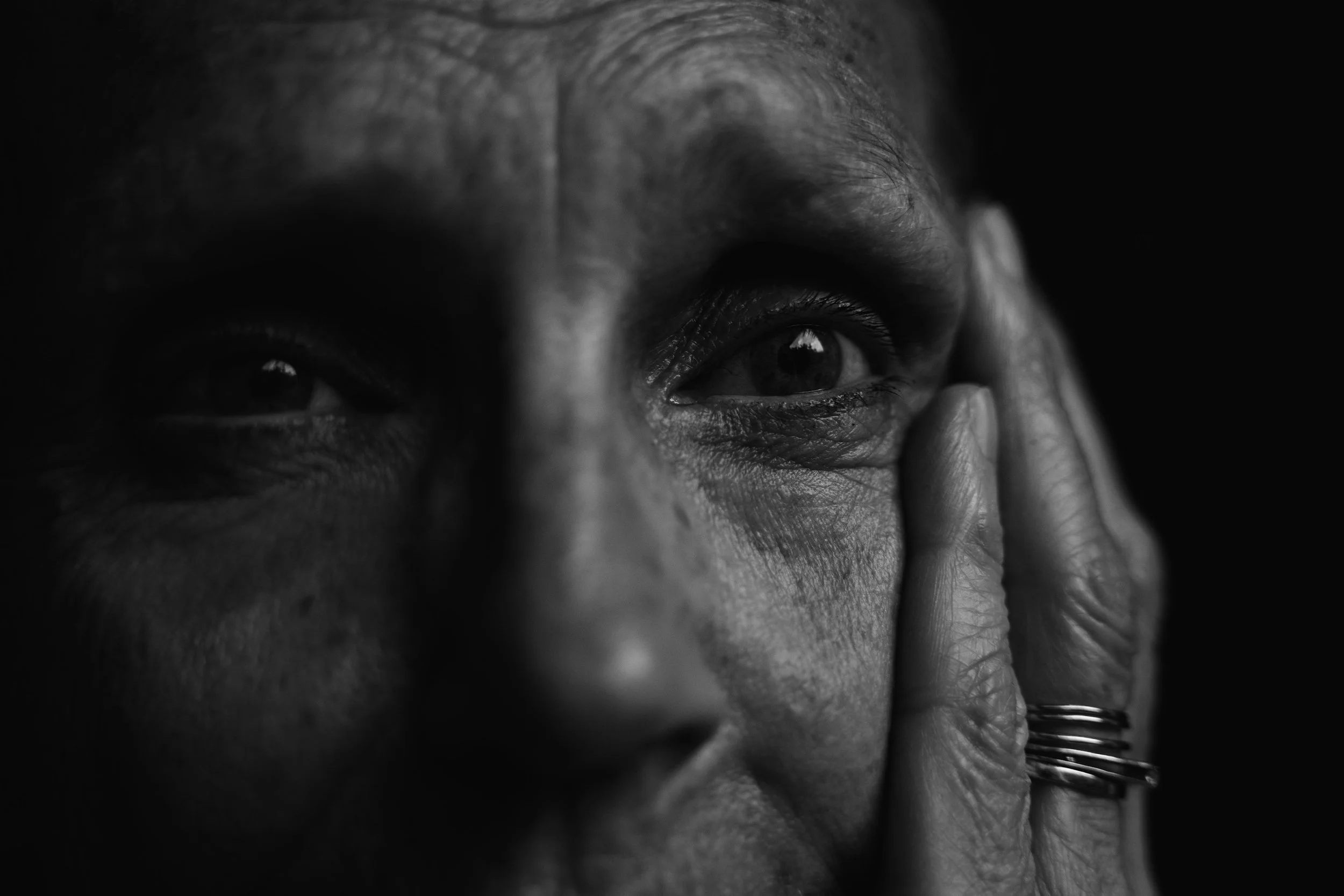
The fear shows up in different ways. Some people say it plainly: they are scared, they don't want to go, they aren't ready. Others circle it, asking the same questions repeatedly about what dying will feel like, or whether it will hurt, or what happens after. Some become agitated or restless in ways that don't have an obvious cause. Some cry quietly and don't explain why.
However it shows up, sitting with someone who is afraid to die is one of the hardest things a family member can be asked to do. You want to help and you don't know how. You may be afraid yourself, which makes it harder. And almost nobody has prepared you for this moment.
Here is what actually helps.
Don't try to talk them out of it
The instinct when someone expresses fear is to reassure them. To say it will be okay, that there is nothing to be scared of, that they are going to be at peace. These things come from love and they are almost never what the frightened person needs to hear.
Telling someone their fear is unfounded doesn't make the fear go away. It makes them feel alone in it, because now they know you can't hold it with them. And for a person who is dying and already worried about being a burden, sensing that their fear is making you uncomfortable can cause them to stop bringing it to you at all.
What helps instead is staying in the room with the fear rather than trying to push it out. "I hear you. I'm not going anywhere. Tell me more about what you're feeling." Those words don't fix anything. They do something better. They tell the person that you can handle being there with them inside this, and that they don't have to be alone in it.
Ask what they are actually afraid of
Fear of dying is rarely one single thing. It is usually several things layered on top of each other, and they are not all the same and they don't all need the same response.
Some people are afraid of pain. This is one of the most common fears and one of the most directly addressable. If your loved one is frightened of suffering, that is a conversation to have with your hospice team right away. Managing pain and physical distress at the end of life is the central work of hospice, and your team has real tools for this. Hearing directly from a nurse or doctor that their comfort is the top priority, and that there are good options for keeping them at ease, can meaningfully reduce this specific fear.
Some people are afraid of what happens after death. Whether there is something or nothing, whether they will see people they have lost, whether the beliefs they have held their whole life are true. These questions don't have answers you can give, but they have space you can hold. Listening without judgment, asking what they believe and what they hope, letting them talk it through: this is what helps here. If your loved one has a faith tradition they've drawn from, connecting them with a spiritual care provider or their own clergy can bring real comfort. Our Spiritual Care Coordinator at Coastal is there for exactly this kind of conversation.
Some people are afraid of leaving the people they love. Worried about a spouse who will be alone, a child who still needs them, an old friend they haven't made peace with. These fears are often helped by concrete reassurance where you can honestly give it. If you can tell your mother truly that her husband will be looked after, tell her. If there is an estrangement your loved one is carrying, ask your hospice social worker about whether a conversation might still be possible. Unfinished relational business is one of the most common sources of fear and distress at the end of life, and it is sometimes more resolvable than people think.
Some people are afraid of the process itself. Of losing control, of not being able to breathe, of dying alone in the middle of the night. Again, your hospice team is the right resource here. Ask them to explain what the dying process typically looks like for someone with your loved one's condition. Ask what you should expect and what they will do to keep your loved one comfortable as things progress. Knowledge doesn't eliminate fear, but it tends to shrink it.
When fear becomes distress that needs clinical attention
There is a difference between fear that your loved one can talk about and sit with, and fear that has tipped into something that is causing them real suffering. Severe agitation, panic, an inability to rest or be consoled, physical symptoms driven by anxiety: these are things your hospice team needs to know about promptly.
There are medicines that can ease this kind of distress without simply sedating a patient into unconsciousness. Your team will know what to reach for and when. You do not have to watch your loved one suffer through terror because you assumed it was just part of dying. It doesn't have to be, and asking for help is the right call.
If your loved one's fear seems tied to something unresolved, guilt they are carrying, a relationship that ended badly, something they did or didn't do that they can't let go of, that is also worth telling your hospice social worker or Spiritual Care Coordinator. This kind of distress has a name in hospice care. It is taken seriously, and there are people trained to help with it.
What to do when you don't know what to say
You will have moments in this where you sit down beside your loved one and they look at you with fear in their eyes and you have nothing. No words, no comfort, nothing that feels like enough.
In those moments, stay anyway. Take their hand if they want that. Sit in the quiet with them. Say their name. Tell them you love them and you are not going anywhere.
You do not have to have answers. Dying people are not usually looking for someone to solve their fear. They are looking for someone who will stay present inside it with them rather than back away. Your willingness to be there, to not flinch, to not change the subject, is itself a form of comfort that is more powerful than most words.
Take care of what this costs you
Sitting with someone else's fear of death will bring up your own. It would for anyone. You may find yourself lying awake at night with thoughts you don't want to have, or feeling a dread that doesn't lift even during the ordinary parts of your day.
That deserves care too. Find somewhere honest to put it so it doesn't build up inside you in ways that make it harder to be present with your loved one. Our Caregiver Support Group and Grief Support Group are the perfect places to interact with a community of people going through the exact same things you are. Seeing a therapist or seeking spiritual counsel may also be the right answer for you.
You are being asked to do something very hard. Doing it well doesn't mean doing it without cost to yourself. It means finding the support that allows you to keep showing up.