Hospice Love Letters
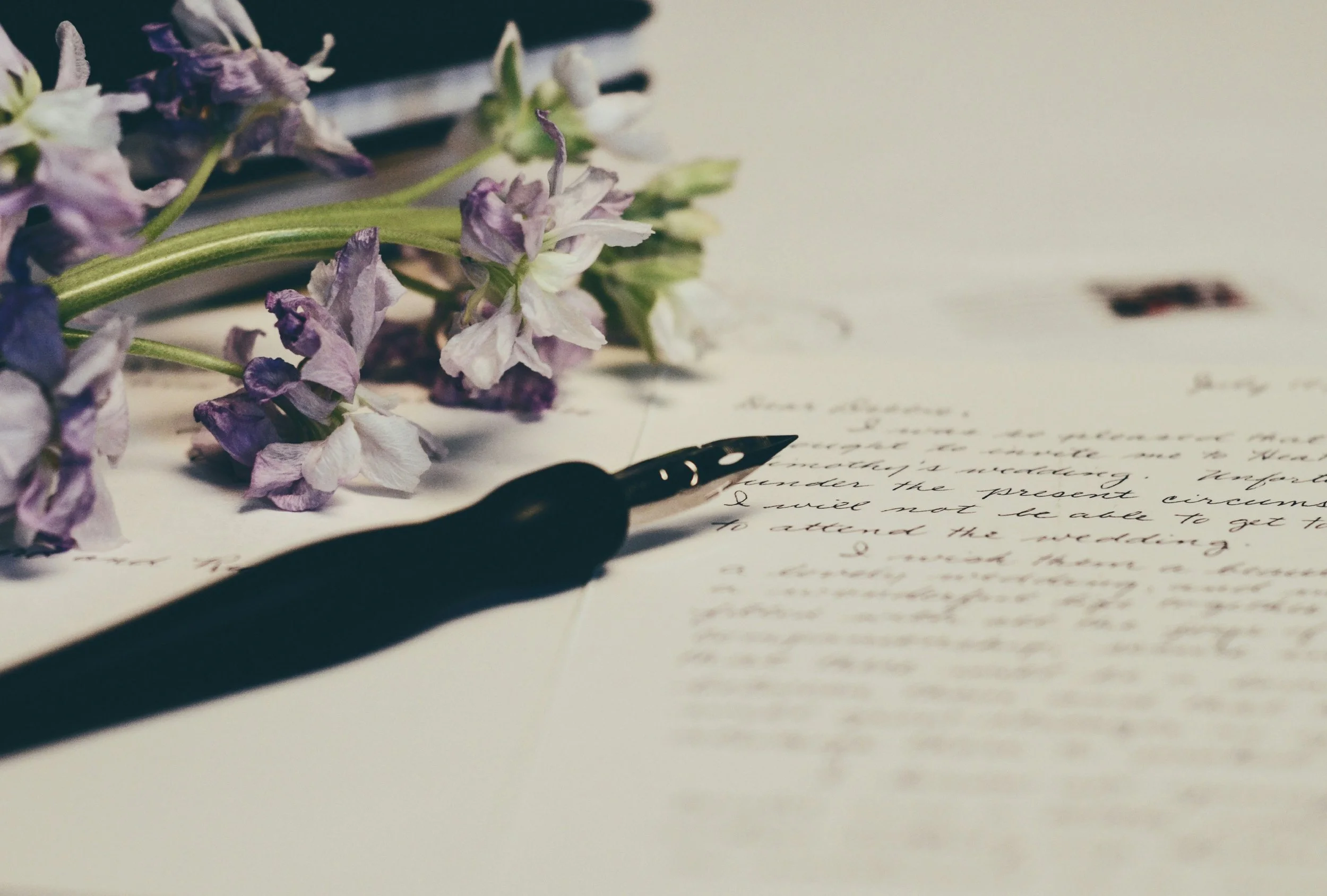
Valentine's Day reminds us to express love. But for hospice patients, the urge to share feelings runs deeper than a single holiday. You want your family to know what they mean to you. You want to leave words they can return to after you're gone.
Love letters create lasting gifts. They preserve your voice, your humor, your wisdom. They tell the people you care about exactly how you see them and what they've meant to your life.
Writing these letters takes courage. It forces you to face what's coming. But the difficulty makes the gift more precious. Your family will treasure these words forever.
Why Love Letters Matter
Spoken words fade from memory. The exact phrasing slips away. But written words stay fixed. Your daughter can reread your letter on her wedding day. Your son can share it with his children. Your spouse can return to it whenever they miss you.
Love letters say things we often leave unsaid in daily life. You tell your brother you admired his strength. You thank your sister for always making you laugh. You tell your parents they did a good job raising you. These truths live in your heart but don't always make it to your lips.
Writing gives you time to choose words carefully. You can revise until you capture exactly what you mean. Conversations move fast and emotions run high. A letter lets you say what matters without interruption or distraction.
Getting Started
The blank page intimidates everyone. You want these letters to be perfect. You worry about saying the wrong thing or leaving something important out.
Start simple. Write one letter to one person. Choose someone you feel comfortable with. The first letter breaks the ice. After that, the rest come easier.
You don't need fancy stationery or perfect handwriting. A simple notebook works fine. So does typing on a computer or dictating to someone who writes for you. The words matter more than the presentation.
Set aside time when you feel alert. Early morning often works best before fatigue sets in. Even 15 or 20 minutes produces meaningful progress. You don't have to finish a letter in one sitting.
Also, this is a great project for our Volunteers to help you with. They would be happy to help transcribe your letters or take them to the post office.
What to Include
Each letter should feel personal to its recipient. But certain elements work well in most love letters.
Tell them what you love about them specifically. Not just "you're a good person" but actual qualities you've noticed. Your grandson's curiosity about how things work. Your friend's loyalty during hard times. Your daughter's determination to finish what she starts.
Share favorite memories together. The camping trip where it rained for three days but you laughed anyway. The time they helped you move and broke your lamp. The conversation you had on the porch that lasted until sunrise. These stories remind them of shared history.
Offer wisdom or advice if it feels natural. Not lectures but gentle guidance. What you've learned about marriage, parenting, or simply living. The mistakes you made and what they taught you. These insights gain weight coming from someone near the end of life.
Express gratitude for specific things they've done. Thank your wife for 40 years of patience. Thank your son for taking time off work to care for you. Thank your neighbor for bringing soup every week. Naming these acts shows you noticed and appreciated them.
End with love stated plainly. "I love you" carries power even when you've said it a thousand times. Put it in writing one more time.
Organizing Your Thoughts
If staring at a blank page feels overwhelming, use prompts to get started. Answer these questions in your letter.
What's my favorite memory with this person? What quality do I admire most in them? What do I wish I had told them sooner? What do I hope for their future? What made me laugh about them? What am I grateful they did for me?
You can answer all of these or just pick one to start. Sometimes answering a single question fills several pages.
Another approach is writing in chunks. Make a list of topics you want to cover. Write one paragraph about each topic over several days. Then arrange the paragraphs into a letter that flows naturally.
Some people find it easier to write as if talking. Imagine sitting across from this person having coffee. What would you say if you had one more unhurried conversation? Write those words.
Writing to Different People
Letters to your spouse often run longest. You've built a life together. You want to cover decades of shared experience. Don't try to include everything. Focus on a few key memories and feelings. Tell them what your marriage meant to you.
Letters to adult children can include both love and life lessons. Share what you're proud of in them. Offer thoughts on major life events they'll face without you. Tell them about your own parents if that feels relevant.
Letters to young children or grandchildren need simpler language. Focus on telling them who you were and that you loved them. Include a favorite story or two. They may not understand everything now but they'll return to these letters as they grow.
Letters to friends celebrate what you shared. Inside jokes, adventures, support through hard times. Friends often get overlooked in favor of family, but friendship deserves recognition too.
Letters to siblings can acknowledge shared childhood and family history. You're the only people who remember certain things. That shared past matters even if you weren't always close.
Practical Considerations
If writing by hand exhausts you, try other methods. Dictate to a family member or caregiver who writes your words. Use voice recording software that transcribes speech to text. Record video messages if you prefer speaking to writing. Or, as mentioned earlier, use the assistance of one of our hospice Volunteers. The medium matters less than the message.
Date each letter. Your family will want to know when you wrote it. The date adds context and meaning.
Consider whether to deliver letters now or after your death. Some patients give letters while alive and enjoy seeing the recipient's reaction. Others leave letters to be opened later, making them a final gift. Both approaches work. Choose what feels right.
Store letters somewhere safe and tell someone where they are. A drawer, a safe, or with your important papers all work. Make sure the executor of your estate knows these letters exist and who they're for.
The Gift That Keeps Giving
These letters will outlive you. They'll comfort your family on hard days. They'll make them smile on good days. They'll pass to the next generation and the one after that.
Your great grandchildren might read your words decades from now and feel connected to someone they never met. Your daughter might pull out your letter on the anniversary of your death and hear your voice again.
This is your chance to say what matters. To express love without holding back. To leave words that heal and comfort long after you're gone.
Start today. Write one letter. Then write another. Give your family this gift that time can never erase.