Helping Your Loved One Enjoy the First Days of Spring
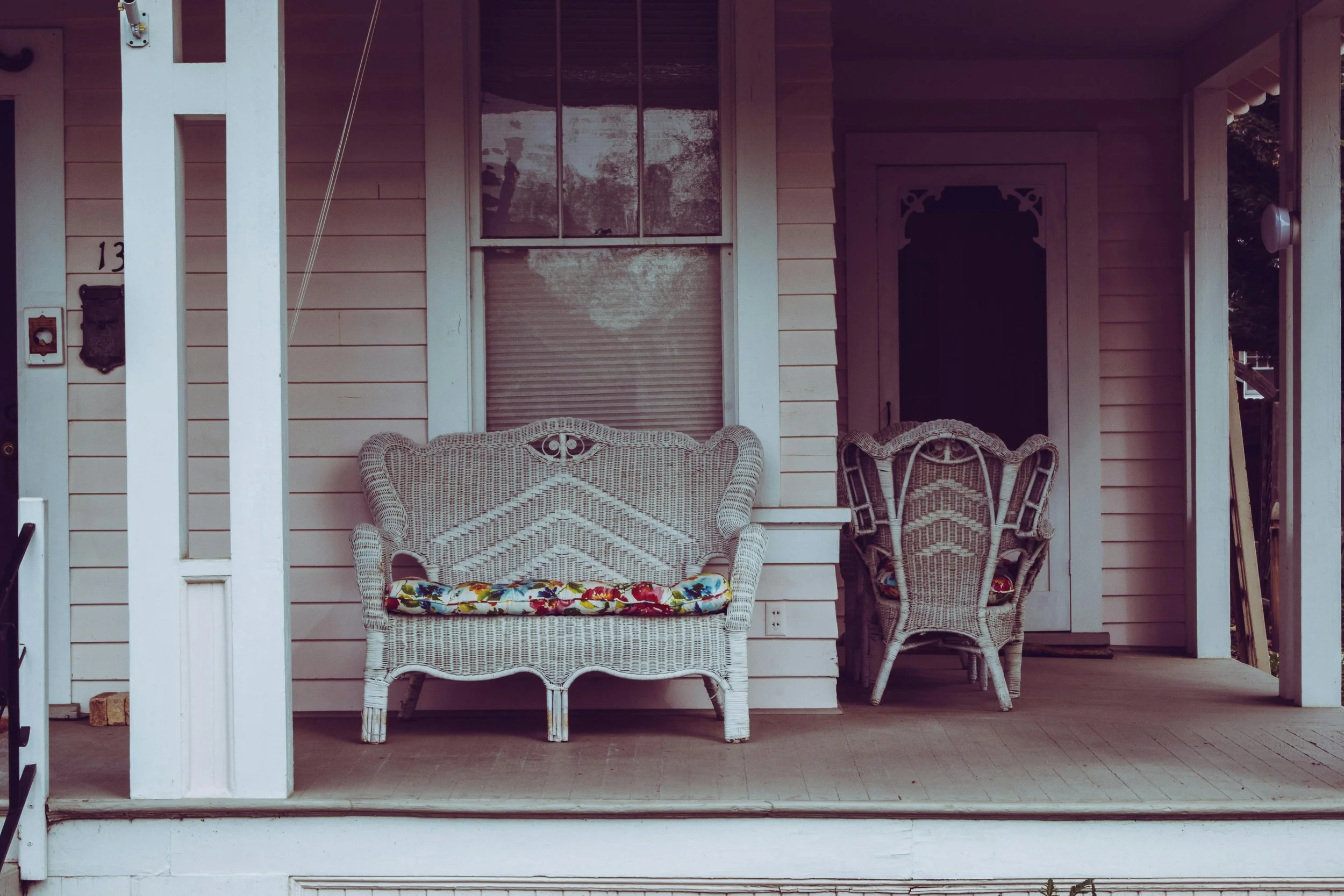
The first genuinely warm day of spring arrives in Brookings, and you step outside to feel sun on your face, breathe fresh air, and realize just how long winter kept you trapped indoors. Meanwhile, your loved one remains inside in the same room where they've spent weeks or months of hospice care, seeing the outside world only through windows. The contrast feels wrong. They need sunshine and fresh air too, maybe more than anyone, but getting a bedbound or very weak hospice patient outside safely may feel impossible.
Many caregivers assume that once hospice patients become bedbound or very weak, outdoor time ends completely. But even brief exposure to spring warmth, fresh air, and natural light provides benefits that go beyond physical health. The psychological lift of being outside, the sensory experience of feeling sun and breeze, and the simple change of scenery all improve quality of life in ways that matter tremendously during final months.
Understanding safe methods for bringing hospice patients outdoors, recognizing when outside time isn't realistic, and knowing how to bring outdoor benefits inside helps you maximize whatever outdoor experience is possible as winter gives way to spring.
Why Outside Time Matters During Hospice
Before tackling the logistics of getting your loved one outdoors, understanding why it matters helps motivate the effort required.
Vitamin D from sunlight affects mood, immune function, and overall wellbeing. Hospice patients spending all their time indoors often become severely vitamin D deficient, contributing to depression and physical decline. Even 10-15 minutes of sun exposure on arms and face several times weekly provides meaningful vitamin D.
Fresh air improves breathing and just feels better than recirculated indoor air. The sickroom, despite your best efforts, develops stale air quality from limited ventilation, medical equipment, and someone spending 24 hours daily in the same space. Fresh outdoor air provides relief.
Natural light regulates circadian rhythms that govern sleep-wake cycles. Hospice patients who never see natural daylight often develop disrupted sleep patterns, sleeping excessively during day and waking at night, making caregiving difficult and their life less fun as they spend lonely nights alone in silence. Outdoor light exposure helps restore more normal sleep timing.
Sensory stimulation from outside, like bird sounds, breeze on skin, smell of grass or flowers, warmth of sun, engages patients in ways indoor environments cannot. These varied sensations provide interest and engagement that combat the monotony of being bedbound.
Change of scenery offers psychological benefits even when the "change" is just moving from bed to porch. Seeing different surroundings, even briefly, reduces the trapped feeling that comes from staring at the same four walls constantly.
Connection to the world happens when patients can see sky, clouds, trees, and the changing natural world. Being outside confirms that life continues beyond their sickroom and connects them to larger rhythms of seasons and weather.
Memories of being outdoors from throughout their life get triggered by actually being outside rather than just looking out windows. The feeling of sun, the sound of birds, the smell of spring air all activate positive associations from decades of outdoor life, and can lead to beautiful times of sharing stories and memories.
Assessing Whether Outdoor Time Is Safe
Not all hospice patients can safely go outside, and the first step involves honest assessment of whether outdoor time is realistic given your loved one's current condition.
Temperature tolerance becomes limited as patients weaken. They might feel cold even on warm days or overheat quickly in mild sun. Gauge their current ability to regulate body temperature and handle temperature changes before attempting outdoor time.
Mobility limitations determine what's possible. Can they sit supported in a wheelchair? Can they tolerate being moved? Do they have enough trunk stability to sit outdoors, or would they need to recline? Physical capabilities shape realistic outdoor options.
Medical equipment requirements affect outdoor feasibility. Patients on oxygen can go outside if portable oxygen is available. Those requiring continuous monitoring, multiple IV medications, or other equipment tethering them to bedside face more obstacles though outdoor time still might be possible with planning.
Cognitive status matters for safety. Confused patients who might try to stand unsupported, wander off, or not understand they need to stay in shade create supervision challenges outdoors that might make outside time impractical.
Current symptom control should be good before attempting outdoor time. Don't take someone outside who's having uncontrolled pain, nausea, or breathing difficulty hoping the fresh air will help. Get symptoms managed first, then consider outdoor time as a bonus rather than treatment.
Your physical ability to move your loved one safely matters tremendously. If you cannot transfer them to a wheelchair or get them through doors without risking falls or injury to either of you, outdoor time might not be safe without additional help.
A Nice Visit to the Porch or Deck
For patients who can tolerate being moved but cannot walk independently, porches and decks offer the easiest outdoor access without requiring travel from the house.
Position a comfortable chair on the porch or deck before attempting to move your loved one. Have everything set up, like cushions, blankets, and perhaps a side table for drinks, so you're not arranging things while supporting an unstable patient. Also, try to find a chair that doesn’t have a sloped seat or is too low to the ground (like an adirondack chair), as these could be difficult for your loved one to get out of. Arms on the chair are very useful, as well, in case they need to lean on something while they sit.
Use a wheelchair or transport chair to move your loved one from bed to outdoors if they can tolerate sitting upright. Even patients too weak to wheel themselves can often sit supported in a wheelchair for brief periods, making porch access realistic.
Recruit help for the transfer if moving your loved one alone risks falls or injury. A family member or hospice aide can assist getting them into the wheelchair, through doorways, and positioned safely outdoors.
Keep initial outdoor sessions brief, perhaps just 15-20 minutes the first time. You can extend duration gradually if your loved one tolerates it well, but starting short prevents exhausting them and ending the experience negatively. You can always decide to stay a little longer if they really want to.
Provide adequate support with pillows and cushions so they can sit comfortably without sliding or listing to one side. Patients with poor trunk strength need significant propping to maintain safe seated positions.
Manage sun exposure carefully. Some direct sun feels wonderful, but hospice patients' fragile skin burns easily. Position them where they get sun on face and arms without prolonged exposure, or use hats, umbrellas, and other shade strategically. Also, remember that some medication can allow sunburns to happen more quickly, so use extra precaution.
Monitor temperature closely. Bring blankets even on warm days since patients often feel cold outside. Watch for signs of overheating if sun is strong, such as flushed face, increased sweating, or restlessness, which can all suggest it's time to go back inside.
Stay with them constantly. Never leave your loved one unattended outdoors, even on an enclosed porch. Their condition can change quickly, and they might need assistance getting comfortable or heading back inside.
Have an exit strategy planned before going outside. Know exactly how you'll get them back indoors if they suddenly feel unwell, need to use the bathroom, or want to return to bed.
Opening Windows: The Simplest Solution
When taking your loved one outside isn't realistic, opening windows brings outdoor benefits indoors with no physical risk or effort required.
Open windows wide on pleasant days rather than just cracking them slightly. Maximum airflow provides maximum benefit, replacing stale indoor air with fresh outside air.
Create cross-ventilation by opening windows on opposite sides of the room or house, allowing breezes to flow through and completely refresh the air.
Position your loved one's bed near open windows if possible when weather permits, allowing them to feel breeze directly and hear outdoor sounds clearly.
Monitor pollen counts if your loved one has allergies or respiratory sensitivity. High pollen days might require keeping windows closed despite nice weather.
Listen to outdoor sounds together when windows are open. Bird songs, wind in trees, neighborhood sounds all provide sensory engagement that windows closed all winter prevented. You can even try to play YouTube videos with birdcalls near the window to see if you can attract some fine feathered friends to visit.
Managing Temperature Sensitivity
Hospice patients often have extreme difficulty regulating body temperature, making outdoor time trickier than simply dressing appropriately and heading out.
Layer clothing and blankets so you can adjust quickly if your loved one becomes too hot or cold. Multiple light layers work better than single heavy garments that can't be modified easily.
Protect extremities especially since hands and feet often feel cold even when core temperature is fine. Warm socks, slippers, and a lap blanket over legs help maintain comfort.
Monitor for overheating including sweating, flushed face, restlessness, or complaints of being too warm. Move to shade immediately and consider heading inside if cooling down outdoors isn't working.
Bring a thermometer if your loved one has difficulty communicating temperature discomfort. Actually measuring can prevent problems before they become obvious.
Accept that temperature tolerance is unpredictable. Your loved one might love being outside one day and find the exact same conditions unbearable the next. Their body's ability to regulate temperature fluctuates as their condition changes.
The first warm days of spring create urgency to get your loved one outside after months of winter isolation. Whether that means brief porch visits, opening windows wide to let spring air flow through, or finding creative ways to bring outdoor benefits inside, any connection to the warming world beyond their sickroom matters. These might be their last springs, their final experience of winter giving way to warmer weather and returning life. Making sure they feel sun on their face, breathe fresh air, and know that spring is happening provides comfort and connection to the world that continues even as their own time grows short.