Can a Hospice Patient Go to the ER?
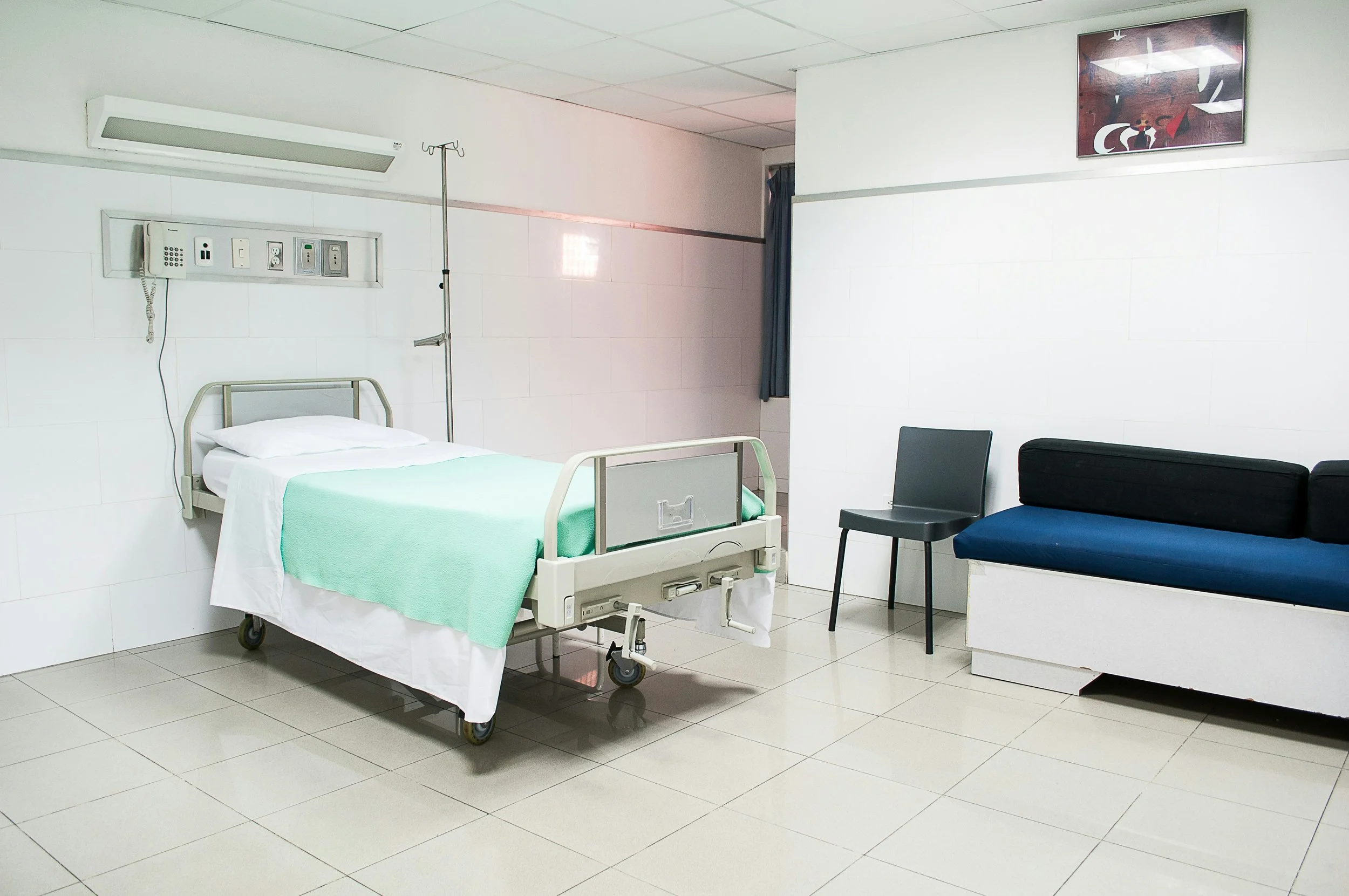
It's 11 o'clock at night and something has changed. Your mother is in pain, or confused, or her breathing has shifted in a way that scares you. Every instinct you have says to call 911. But she's on hospice, and you don't know if that changes things, or how, or what happens if you do call.
This is one of the most frightening moments a hospice family can face, and it happens more often than people talk about. Here is a plain answer to a question you shouldn't have to figure out alone in the dark.
Can a hospice patient go to the ER?
Yes. A hospice patient can go to the ER. There is no rule that prevents it, and calling 911 is always an option if you feel your loved one is in danger. But there are real consequences to understand before that moment arrives, because understanding them in advance is what allows you to make a clear decision when things are frightening and moving fast.
What happens to hospice coverage if a patient goes to the ER?
This is where it gets complicated. When a hospice patient goes to the ER or is admitted to a hospital for care related to their terminal diagnosis, hospice coverage is typically suspended. The hospital visit is billed separately, and the hospice benefit does not run at the same time. In some cases, depending on the reason for the visit and how it is coded, the patient may need to formally re-enroll in hospice after being discharged.
If the ER visit is for something completely unrelated to the terminal diagnosis, such as a fall or an injury, the situation is different and coverage questions become more specific. Either way, calling your hospice team the moment a hospital visit becomes a possibility is the right move. They can help you understand what applies to your loved one's exact situation.
Why hospice patients often go to the ER even knowing this
Fear is a powerful force, especially in the middle of the night when the hospice nurse isn't there and something looks wrong. Families call 911 because they don't know what else to do. Patients ask to go because they are scared and the hospital feels like safety.
This is human and completely understandable. It is also, in many cases, not what the patient would have chosen in a calmer moment. ER environments are loud, bright, and chaotic. They are built for intervention, not comfort. For a hospice patient whose goal is peace and dignity, the ER often delivers the opposite, even when the staff are doing their best.
That is not a reason to feel guilty if you've called 911 before, or if you're not sure you could stop yourself from calling in a crisis. It's a reason to make a plan now, before the crisis happens.
What to do instead of calling 911
Your hospice team has an on-call nurse available around the clock, every night, every weekend, every holiday. This is one of the most important things hospice provides and one of the least used, because families don't always remember it exists at 2 in the morning when everything feels urgent.
That number should be saved in your phone right now, not tucked in a folder somewhere. When something changes or something scares you, that nurse is your first call. They can talk you through what they're hearing, advise you on what to watch for, dispatch someone to the house if needed, and in many cases resolve the situation without a hospital visit at all.
Our hospice nurses are specifically trained for end-of-life crises. They have seen what you are seeing, often many times. They know the difference between a change that needs intervention and a change that is part of the dying process. You do not have to make that call alone.
What if the patient is asking to go to the ER?
This happens, and it is hard. Your loved one is frightened and asking for something that feels like safety to them. Saying no, or trying to redirect them, can feel cruel in the moment.
It helps to have talked about this before it happens. If your loved one is currently able to have that conversation, it is worth asking them directly: if things get harder, do you want us to call hospice, or do you want to go to the hospital? What matters most to you? Getting that answer while they can give it clearly is one of the kindest things you can do for everyone involved, including them.
If the conversation hasn't happened and your loved one is asking to go in the middle of a crisis, call your hospice nurse first. They can sometimes speak directly with the patient, provide reassurance, and help manage the fear that is driving the request.
Make the plan before you need it
The families who navigate these moments best are the ones who thought about them in advance. Ask your hospice team what to do in a crisis. Ask them what symptoms warrant a call versus what you can watch and wait on. Ask them to walk you through the specific scenarios that worry you most.
Then save that on-call number somewhere you will actually find it at midnight. We’ll be here for you when you need us.