A Different Kind of Spring Cleaning This Year
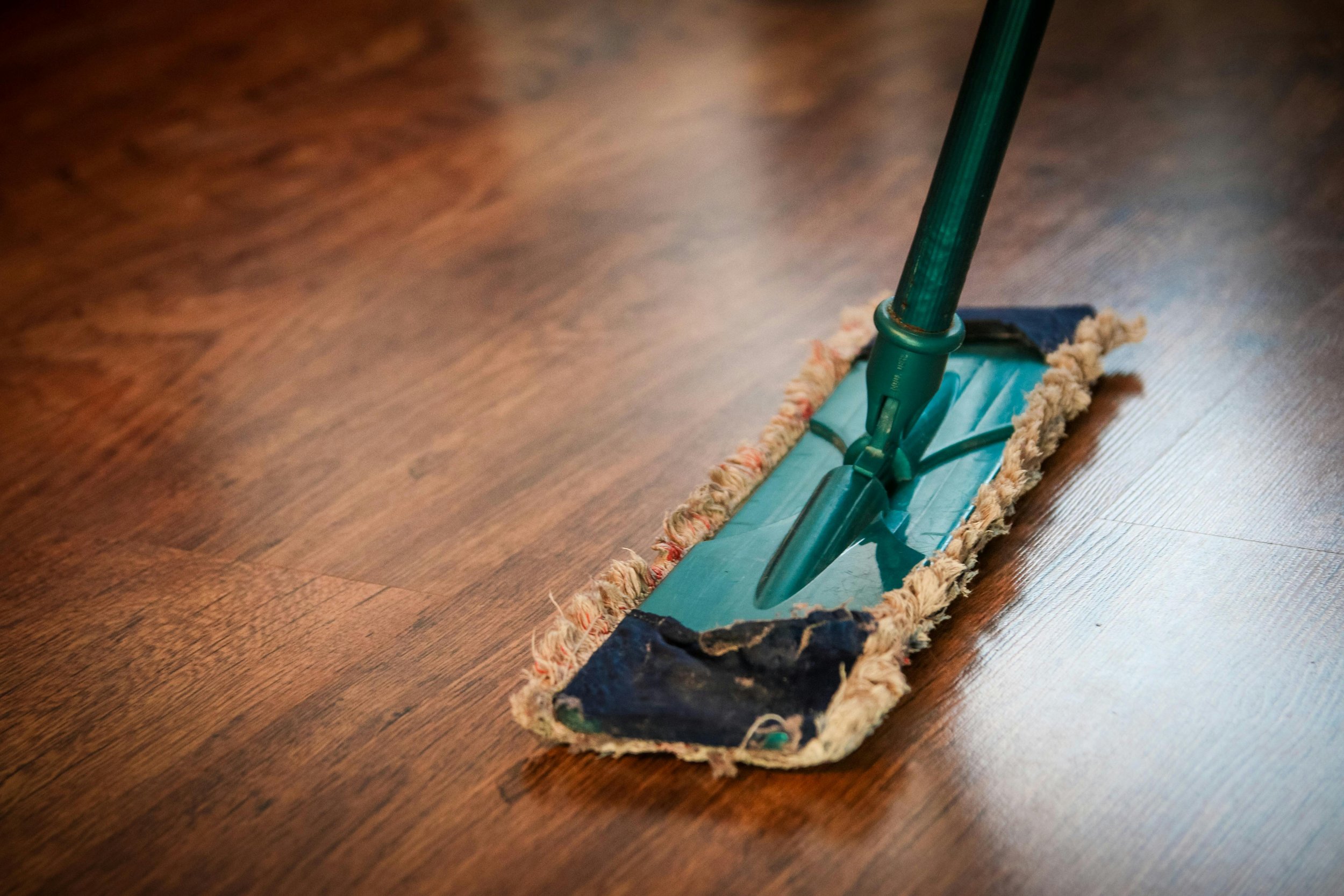
For many of us, spring cleaning has been deeply ingrained as an important part of the transition of the seasons. There is pressure to declutter, to organize closets, to clean the baseboards, to dust the top of the cabinets. Social media fills with before and after photos of pristine spaces.
But if you are taking care of a loved one in home hospice or home health, that probably isn’t your reality right now. Dishes may pile up. Laundry overflows. Mail sits unopened for days. The thought of spring cleaning feels absurd.
So let's answer the question directly. No, traditional spring cleaning is not possible right now. And that's completely fine.
Your house will get messy during hospice care. This is normal. This is expected. This does not mean you're failing.
Why Guilt Serves No Purpose
Caregiving consumes energy you didn't know you had and demands more than you thought possible. Between medication schedules, doctor calls, insurance paperwork, meal preparation, personal care assistance, and simply being present, cleaning drops to the bottom of priority lists.
Some days you manage basic tasks. Other days even those slip. You fall into bed exhausted and notice dust everywhere. The kitchen counter is cluttered. You can't remember when you last vacuumed.
Guilt creeps in. You feel like you should maintain standards. You worry what visitors think. You remember when your home looked pulled together.
Stop. Right now. The guilt helps nothing.
Your loved one needs you present and rested more than they need clean baseboards. Your family needs you functional more than they need organized closets. You need sleep and moments of peace more than you need a spotless kitchen.
A messy house during hospice care signals that priorities are correct. You're focusing on what matters. You're choosing people over perfection. This is the right choice even when it feels uncomfortable.
What Chaos Actually Costs
That said, complete chaos creates problems. Clutter causes stress. Dirty dishes attract pests. Disorganization makes it hard to find things when you need them quickly.
You don't need a perfect home. But you do need functional spaces that don't add to your burden.
The goal is not spring cleaning. The goal is maintaining just enough order that your environment supports rather than sabotages you.
The Five Minute Reset
When everything feels overwhelming, try this simple routine. Set a timer for five minutes. Do only what you can accomplish in that time, then stop.
Start in the room where you spend most time with your patient. Often this is a bedroom or living room. Look around and address the most visible chaos.
Grab any dishes or cups and take them to the kitchen. Don't wash them. Just move them out of the patient care space. This single action usually makes the biggest visual difference.
Pick up any trash. Medication wrappers, used tissues, empty bottles. Walk around with a small bag and collect obvious garbage. Throw the bag away.
Straighten surfaces quickly. Stack books and magazines. Arrange pill bottles neatly. Fold the blanket that's fallen on the floor. You're not deep cleaning. You're just removing the look of total disorder.
Fluff pillows and smooth the bedding if your patient is sitting up or out of bed. Fresh looking bedding improves the whole room's feel even when nothing else changes.
Open a window for 30 seconds if weather allows. Fresh air shifts the atmosphere immediately. Even brief ventilation helps spaces feel less stale and closed in.
When the timer goes off, stop. Five minutes of focused tidying makes a real difference. The room won't be perfect but it will feel calmer.
Do this reset once daily or every other day. The routine maintains baseline order without exhausting you. Five minutes is manageable even on your hardest days.
Three Things to Keep Your Home Cleaner as You Go
Small habits prevent messes from becoming unmanageable. These three practices take minimal extra effort but compound over time.
Keep a trash bag in the patient's room. Hospice care generates constant small trash. Medication packaging, tissues, disposable supplies, food wrappers. Walking to the kitchen trash every few minutes wastes energy and time.
Hang a small trash bag on the nightstand or bedside table. Use a plastic grocery bag or small garbage bag. Empty it once daily when it fills. This single habit eliminates scattered trash that makes rooms look messy.
You can also keep disinfectant wipes nearby. Quick surface wipes prevent buildup. Wipe the nightstand when you empty the trash bag. This two minute task maintains cleanliness without scheduling separate cleaning sessions.
Use the one trip rule. Every time you leave a room, take something with you that belongs elsewhere. This prevents items from accumulating in wrong places.
Leaving the bedroom? Grab the coffee cup from this morning. Heading to the living room? Take the folded laundry that's been sitting on the dresser. Going to the kitchen? Bring the dirty dishes.
One item per trip adds no real effort. But multiply this habit across dozens of daily room changes and it keeps your home from filling with misplaced objects.
Train family members to do this too. Kids can carry one thing to their room when they head upstairs. Partners can grab one dish when they get up from the table. Everyone doing this prevents the overwhelm of massive cleaning sessions.
Do nightly five minute kitchen maintenance. Kitchens become disaster zones during hospice care. You're preparing multiple small meals throughout the day. Special dietary needs create extra dishes. Visitors leave cups everywhere.
Before bed, spend five minutes on the kitchen. Run or load the dishwasher even if it's not completely full. Wipe down counters quickly. Put away any food left out. Take out trash if the can is getting full.
This brief routine prevents the morning dread of facing yesterday's mess. Starting your day with a functional kitchen reduces stress significantly. You can make breakfast or prepare medications without clearing space first.
Don't aim for spotless. Aim for functional. Clean enough that you can work in the space without frustration.
What to Let Go Completely
Some cleaning tasks can wait months without real consequences. Give yourself permission to ignore these entirely right now.
Baseboards will survive being dusty. Windows can stay smudged. Ceiling fans can collect dust without hurting anyone. The tops of cabinets, the inside of the oven, the grout between tiles, all these can wait.
Deep organization projects should be postponed indefinitely. Don't reorganize closets or sort through storage areas. Don't start ambitious decluttering. Don't tackle projects that require sustained focus and energy.
Guest bedrooms can stay messy if you're not using them. Close the door and forget about spaces that don't impact daily function.
Your own bedroom might get neglected. This is fine temporarily. As long as you can sleep and find clean clothes, your bedroom's appearance matters least.
Yard work often slides during hospice care. Grass grows longer. Weeds take over flower beds. Accept this. Landscaping is not a priority right now and shouldn't be.
When to Accept Help
Many people offer to help caregivers. Most mean it sincerely. Let them clean.
When someone asks "what can I do?" give them specific cleaning tasks. Don't say "oh nothing, we're fine." Say "the kitchen really needs attention" or "could you run a load of laundry?"
Specific requests get results. Vague offers of help rarely convert to actual assistance because people don't know what you need.
Some families hire cleaning services during hospice care. If budget allows even minimal professional help, use it. A cleaner coming every two weeks for basic tasks prevents complete chaos.
Focus their time on high impact areas. Bathrooms and kitchens matter most. Living spaces where the patient spends time come next. Everything else is negotiable.
Our volunteers are also happy to help you with light household work, like running the vacuum or loading the dishwasher. They can also sit with your loved one to free up some of your time to do tasks that are important to you.
Redefining Clean
Your definition of clean must shift during hospice care. What counted as acceptable before won't work as a standard now.
Clean enough means safe and functional. No health hazards. No tripping dangers. Working spaces for preparing food and medications. That's the bar.
Everything beyond that is bonus. If you manage it, wonderful. If not, also wonderful because you're spending energy where it matters more.
Some caregivers find it helpful to establish "zones." Keep the patient's immediate area and the kitchen relatively maintained. Let other spaces go. This focused approach prevents spreading yourself too thin trying to manage everything.
Visual clutter bothers some people more than others. If mess stresses you significantly, prioritize what you can see. Use baskets or boxes to contain visible clutter quickly. Stuff things in closets or cupboards. Out of sight often equals out of mind for reducing stress even when actual cleaning hasn't happened.
After Hospice Ends
Your home will need attention after your loved one dies. You'll have energy again eventually. You'll be able to tackle deep cleaning and organization when grief allows.
Some people find cleaning therapeutic after loss. Sorting through belongings, organizing spaces, and restoring order provides tangible accomplishment when everything else feels uncertain.
Others need to leave things untouched for a while. Both responses are normal. There's no timeline for when you should address the mess accumulated during caregiving.
The chaos your home fell into during hospice care is temporary. It reflects a specific season of life. It does not define your housekeeping abilities or your worth.
Permission to Let It Go
You have permission to have a messy house right now. You have permission to ignore spring cleaning completely. You have permission to close doors on messy rooms and pretend they don't exist.
Caregiving is enough. Being present for someone dying is enough. Managing medical needs and emotional support is enough.
Your home will survive being imperfect. Your baseboards will still be there when you have energy to clean them. The clutter can wait.
Focus on the five minute reset when you need calm. Use the three habits to maintain baseline function. Let everything else go without guilt.
Spring cleaning can wait. Your loved one cannot. You're making the right choice even when your house suggests otherwise.